
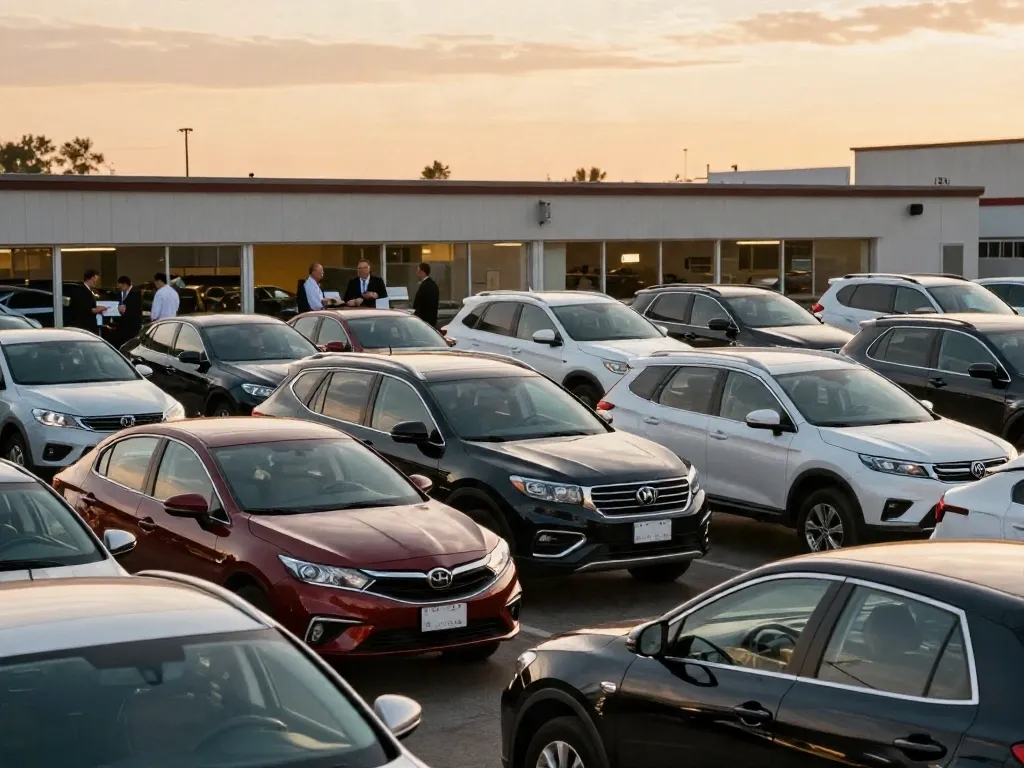
Understanding Wholesale Prices in the Used Car Market
The Definition of Wholesale Prices
Wholesale prices represent the cost at which used cars are sold from one seller (typically a dealer or auction house) to another, rather than to the end consumer. These prices are crucial in the automotive industry as they set the foundation for retail pricing strategies. Understanding wholesale prices allows retailers to determine how much they can mark up their vehicles while remaining competitive in the market.
Factors Affecting Wholesale Prices
Several factors influence wholesale prices in the used car market, including:
- Vehicle Condition: The overall condition of a vehicle—its mechanical integrity, appearance, and history—significantly impacts its wholesale price. Cars with a clean history report and minimal wear typically command higher prices.
- Age and Mileage: Generally, newer vehicles with lower mileage are valued higher than older models. For instance, a 2020 Honda Civic with 20,000 miles may fetch a wholesale price of $20,000, while a similar 2015 model with 100,000 miles could be valued at only $12,000.
- Market Demand: Demand for specific makes and models can drive prices up or down. For example, during the pandemic, demand for used trucks surged, leading to increased wholesale prices.
- Seasonality: Certain times of the year may see fluctuations in prices, such as tax season when consumers are more likely to purchase vehicles.
The Role of Auctions in Setting Wholesale Prices
Auction houses are pivotal in establishing wholesale prices for used vehicles. Auctions like Manheim and ADESA provide a platform where dealers can buy and sell cars. The prices realized at these auctions serve as benchmarks for wholesale values. For instance, if a 2019 Ford F-150 sells for $30,000 at an auction, this figure can influence other dealers' pricing strategies when acquiring similar vehicles. Auctions also reflect real-time market conditions, allowing dealers to adjust their buying and selling strategies accordingly.
The Relationship Between Wholesale Prices and Retail Markups
How Wholesale Prices Influence Retail Pricing Strategies
Retail markups are directly influenced by the wholesale prices that dealers pay for used vehicles. The markup is essentially the difference between the wholesale price and the retail price. For example, if a dealer purchases a used Toyota RAV4 at wholesale for $25,000 and lists it for $30,000, the markup is $5,000 or 20%. This markup helps cover overhead costs and generates profit.
Dealers often analyze wholesale trends to establish competitive retail prices. If wholesale prices are rising, dealers may increase their retail prices to maintain their profit margins. Conversely, if wholesale prices drop, they might lower retail prices to attract buyers.
The Impact of Supply and Demand on Markups
The dynamics of supply and demand profoundly impact retail markups. When demand exceeds supply, wholesale prices increase, leading to higher retail prices. For instance, during the COVID-19 pandemic, the semiconductor shortage resulted in a decreased supply of new vehicles, pushing many consumers toward the used car market. This surge in demand led to a significant increase in wholesale prices, which consequently raised retail markups.
On the other hand, if there is an oversupply of used cars, wholesale prices may decline, allowing retailers to offer competitive pricing without significantly impacting their margins. For example, a dealership holding excess inventory may choose to offer discounts to move vehicles off the lot, even if it means lowering their markup temporarily.
Case Studies: Retail Markup Variations Based on Wholesale Costs
Examining specific case studies can shed light on how wholesale prices dictate retail markups:
- Case Study 1: Luxury Vehicle Market <p>A luxury SUV, such as a 2021 BMW X5, may have a wholesale price of $50,000. Retailers may mark this vehicle up by 15%, setting the retail price at $57,500. However, if market demand increases due to a rise in disposable income, retailers might increase the markup to 20%, raising the retail price to $60,000.</p>
- Case Study 2: Economy Cars <p>In contrast, consider a 2018 Honda Civic with a wholesale price of $18,000. If supply is abundant and demand is stagnant, the retailer might only apply a 10% markup, pricing the car at $19,800. If wholesale prices decrease due to an influx of similar vehicles, the retailer might reduce the retail price to remain competitive.</p>
Market Trends Affecting Used Car Wholesale Prices
Seasonal Variations in Wholesale Prices
Seasonal trends can significantly influence wholesale prices in the used car market. For example, during the spring and summer months, demand for used convertibles and SUVs generally increases, resulting in higher wholesale prices. Conversely, during the winter months, demand may decline, leading to lower prices. Understanding these seasonal patterns allows retailers to optimize their inventory purchasing and pricing strategies.
The Influence of Economic Conditions on Pricing
Economic conditions play a critical role in shaping the used car market. During times of economic growth, such as the post-pandemic recovery phase, consumers may have more disposable income, increasing demand for used cars. This can drive wholesale prices up, leading to higher retail markups. In contrast, during economic downturns, consumers might tighten their budgets, leading to reduced demand and lower wholesale prices, prompting retailers to adjust their markups to stimulate sales.
Emerging Trends and Their Impact on Wholesale Prices
Emerging trends, such as the rise of electric vehicles (EVs) and increased interest in sustainability, are starting to affect wholesale prices. As consumers shift preferences toward EVs, the wholesale prices of traditional gasoline-powered vehicles may decline. Retailers need to adapt their pricing strategies accordingly. For instance, if a used electric vehicle like a Tesla Model 3 has a wholesale price of $40,000, retailers can set competitive retail prices that reflect the growing demand for green technology.
Retailer Strategies to Manage Wholesale Price Fluctuations
Adjusting Markups in Response to Wholesale Price Changes
To remain competitive, retailers must be agile in adjusting their markups in response to fluctuations in wholesale prices. For example, if a dealer notices a sudden increase in the wholesale price of popular sedans, they may choose to increase their retail markups accordingly. However, they must balance this with consumer expectations to avoid deterring potential buyers.
Effective communication with consumers about the reasons for price increases can help mitigate any negative reactions. For instance, a dealership could explain that rising wholesale costs are driving retail prices, emphasizing the value of the vehicle and its features.
Inventory Management and Its Effect on Pricing
Effective inventory management is crucial in optimizing pricing strategies. Retailers must assess their inventory levels to determine how many vehicles they should buy based on current wholesale prices. If wholesale prices are high and the dealer has an excess inventory, they may need to reduce prices on older stock to make room for newer acquisitions without jeopardizing their overall profitability.
For example, if a dealer has multiple SUVs in stock and notices a spike in wholesale prices, they might prioritize purchasing additional SUVs to meet demand while adjusting prices on less desirable models to ensure turnover.
Negotiating Techniques with Wholesalers to Optimize Costs
Retailers can employ various negotiating techniques to secure better wholesale prices from suppliers. Building strong relationships with wholesalers can result in preferential pricing, especially during bulk purchases. Retailers should also stay informed about market trends to leverage this knowledge during negotiations.
For instance, if a dealer knows that a particular vehicle model is in low demand, they can negotiate a lower wholesale price based on the current market conditions. This strategy can help retailers maintain healthy profit margins even when retail pricing pressures arise from increased competition.
Predicting Future Trends in Wholesale Prices and Retail Markups
An Analysis of Current Data and Trends
Current trends indicate that wholesale prices for used vehicles are stabilizing after the dramatic fluctuations experienced during the pandemic. The supply chain issues that contributed to higher prices are gradually being resolved, leading to a more balanced market. Data from auction houses suggest that while wholesale prices may not return to pre-pandemic levels, they are expected to level off, providing a clearer picture for retailers in setting their markups.
Expert Opinions on Future Market Developments
Industry experts predict that the used car market will continue to evolve, particularly with the increasing adoption of electric vehicles and advancements in technology. Analysts forecast that as more manufacturers produce EVs, the prices of traditional vehicles may decline, impacting wholesale prices and subsequently retail markups. Retailers need to be proactive in adapting their inventory to align with these changes.
Implications for Consumers and Retailers
The interplay between wholesale prices and retail markups has significant implications for both consumers and retailers. For consumers, understanding this relationship can help them make informed purchasing decisions, particularly during periods of fluctuating prices. Retailers, on the other hand, must stay agile and informed to navigate these changes effectively, ensuring they remain competitive while maximizing profits.
Comments
No comments yet.
Leave a comment