
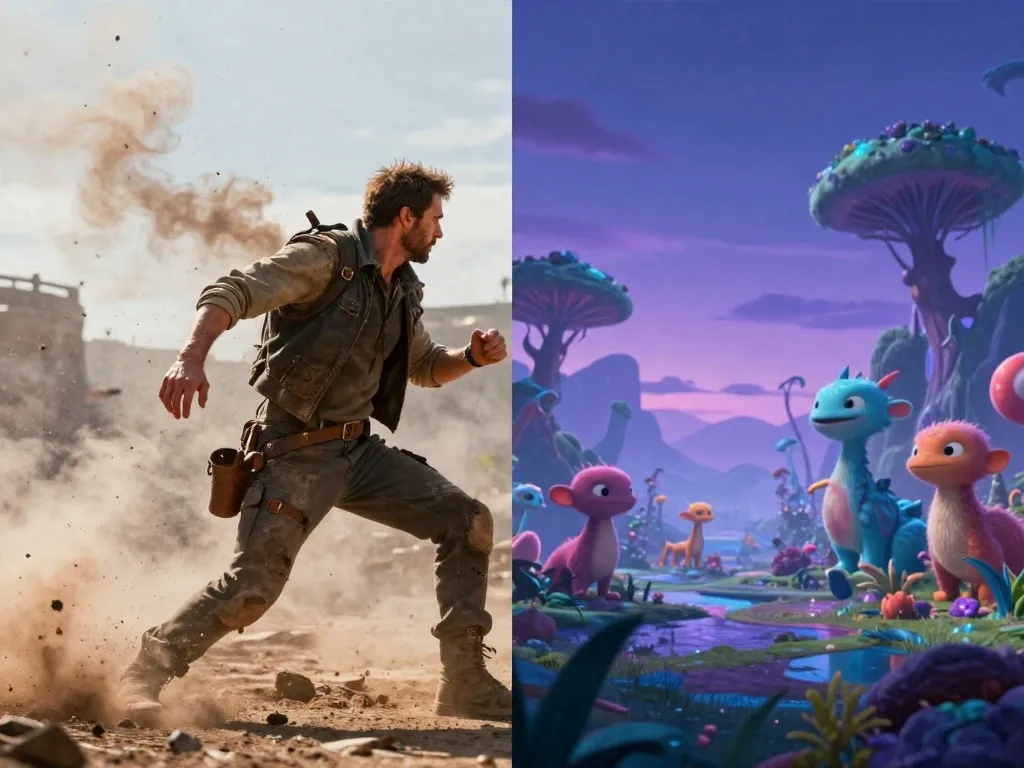
The Historical Context of Practical Effects in Film
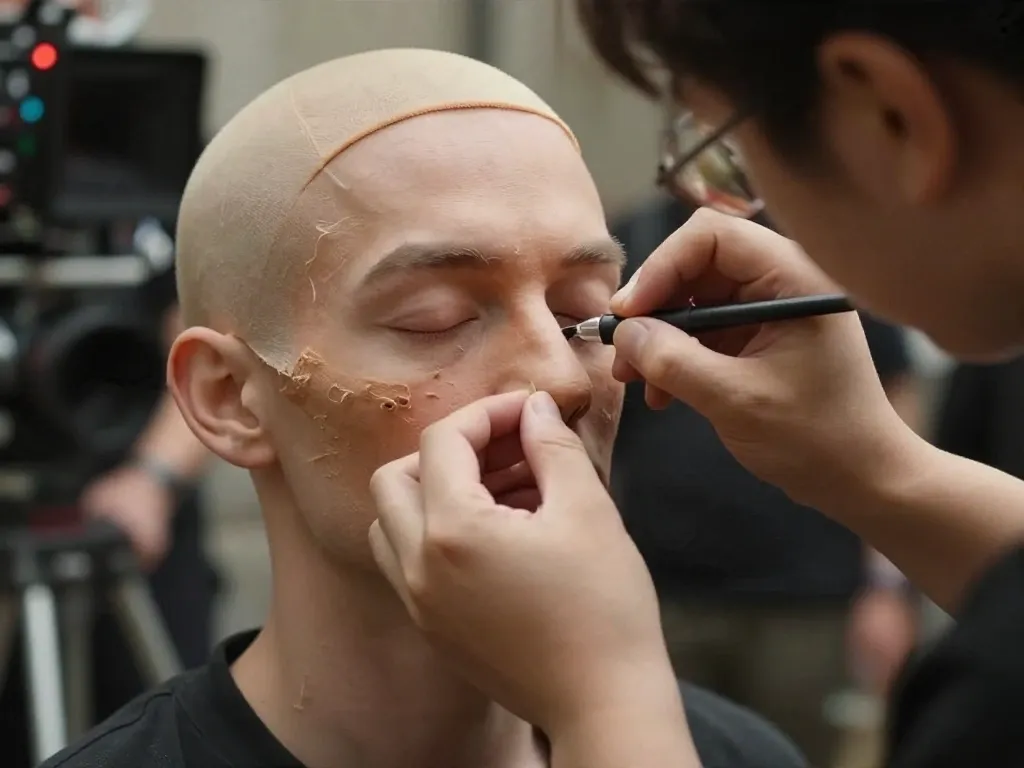
The Evolution of Practical Effects
Practical effects have been an integral part of filmmaking since the inception of cinema. From simple mechanical devices to elaborate puppetry and animatronics, these techniques have evolved significantly. In the early days of film, directors relied heavily on physical effects to create illusions. For example, Georges Méliès, a pioneer of visual effects, utilized practical techniques such as forced perspective and stop-motion to craft fantastical worlds in films like A Trip to the Moon (1902).
As technology progressed, practical effects became more sophisticated. The 1970s and 1980s saw the introduction of more advanced techniques, including motion control photography and pyrotechnics. Iconic films like Star Wars (1977) and Jurassic Park (1993) showcased the effectiveness of practical effects, setting a high standard for visual storytelling.
Landmark Films that Defined Practical Techniques
Several landmark films have defined practical effects and left an indelible mark on the industry. One of the most notable is Star Wars, which utilized miniatures, puppetry, and elaborate set designs to create its expansive universe. The iconic Millennium Falcon was brought to life through detailed miniature models, making it a tangible element in the film's storytelling.
Another landmark film is Jurassic Park, where the combination of animatronics and CGI created lifelike dinosaurs that captivated audiences. The T-Rex was brought to life using a combination of practical effects, including animatronics designed by Stan Winston, and groundbreaking CGI, which blended seamlessly with the physical models.
How Practical Effects Set the Stage for CGI
Practical effects have not only contributed to the art of filmmaking but have also paved the way for the advent of CGI. The success of films utilizing practical effects demonstrated the potential for creating immersive worlds, inspiring filmmakers to explore digital techniques. The marriage of practical effects and CGI became apparent in the late 1990s, where films like The Matrix (1999) used practical stunts alongside CGI to create innovative visuals that captivated audiences.
The Rise of CGI in Modern Blockbusters
Technological Advancements in CGI
The rise of CGI in modern blockbusters can be attributed to rapid technological advancements. As computer graphics technology improved, filmmakers began to experiment with digital effects to enhance their storytelling. By the early 2000s, CGI had become a staple in the industry, allowing creators to produce visually stunning sequences that were previously unimaginable.
Today, CGI can create entirely digital environments and characters that interact seamlessly with live-action footage. For instance, films like Avatar (2009) pushed the boundaries of what was possible with CGI, utilizing motion capture technology to create lifelike alien characters and environments. The film's groundbreaking visual effects earned it three Academy Awards and has since influenced countless other productions.
Notable Blockbusters that Highlight CGI Mastery
Several modern blockbusters exemplify the mastery of CGI. The Avengers (2012) showcased the potential of CGI in creating superhero battles on an epic scale, with characters like the Hulk brought to life using advanced motion capture techniques. The film grossed over $1.5 billion worldwide, demonstrating the immense appeal of CGI-driven narratives.
Another prime example is Inception (2010), where director Christopher Nolan used CGI to create mind-bending visuals, such as cities folding in on themselves. The film’s intricate blend of practical effects and CGI earned it four Academy Awards and solidified its place in cinematic history.
The Role of CGI in Expanding Creative Possibilities
CGI has expanded creative possibilities in filmmaking, allowing directors to realize their visions without the constraints of practical effects. Filmmakers can now create entire worlds, intricate creatures, and spectacular action sequences that would be impossible or impractical to achieve using traditional methods alone. This flexibility has encouraged innovation in storytelling, enabling filmmakers to push the boundaries of creativity.
For instance, in Guardians of the Galaxy (2014), the use of CGI allowed for the creation of vibrant alien worlds and characters like Groot and Rocket Raccoon, who are entirely computer-generated yet resonate emotionally with audiences. Such advancements show how CGI can enhance storytelling by bringing imaginative concepts to life.
Audience Perception: Practical Effects vs. CGI
Emotional Impact of Practical Effects
Despite the advancements in CGI, many viewers still have a deep appreciation for practical effects due to their tangible nature. Practical effects often evoke a sense of realism and authenticity that can resonate emotionally with audiences. For example, the physical presence of an animatronic creature can create a visceral reaction that digital effects sometimes lack.
Films like The Thing (1982) exemplify this emotional impact. The use of practical effects to create grotesque transformations has become iconic, and many fans argue that the film's physical creations are far more terrifying than anything CGI could replicate. The craftsmanship behind practical effects often garners admiration and respect from audiences, contributing to their lasting appeal.
Viewer Expectations in the Age of CGI
As CGI has become more prevalent, audience expectations have shifted dramatically. Modern viewers often expect high-quality visual effects in blockbuster films, and CGI has become the default standard for many productions. This expectation can lead to a divide among audiences regarding their preferences for practical versus digital effects.
For instance, the backlash against the 2019 remake of The Lion King highlights this divide. While the film was praised for its groundbreaking CGI, many fans lamented the absence of the emotional depth and artistry that traditional animation and practical effects could provide. This reaction underscores the ongoing debate about the effectiveness of CGI in conveying emotional narratives.
How Audience Reception Shapes Filmmaking Choices
Audience reception plays a crucial role in shaping filmmakers' choices regarding practical effects versus CGI. As filmmakers gauge audience reactions, they may adjust their approaches to meet viewer expectations. Successes and failures at the box office can influence whether future films prioritize practical effects or rely heavily on CGI.
For example, the success of Mad Max: Fury Road (2015), which prominently featured practical effects, has encouraged filmmakers to explore similar techniques in their projects. The film's acclaim, including six Academy Awards, demonstrated that audiences still crave the authenticity and craft associated with practical effects, prompting a resurgence in their use in certain genres.
Cost and Practicality: Weighing the Options
Budget Considerations for Practical Effects
While practical effects have their advantages, they can also be costly. Creating physical effects requires skilled artisans, specialized equipment, and often extensive labor. For example, the animatronic dinosaurs in Jurassic Park were not only groundbreaking but also came with a hefty price tag, estimated at around $1 million for just a single T-Rex model.
Moreover, practical effects often necessitate additional costs related to construction, maintenance, and transportation. Filmmakers must weigh these costs against the potential impact that practical effects can have on audience engagement and storytelling.
The Cost of CGI: Production vs. Post-Production
CGI can also be expensive, but its costs are typically distributed between production and post-production phases. The initial investment in CGI technology can be significant, especially for high-end productions. For instance, Avengers: Endgame (2019) had a reported budget of over $356 million, with a substantial portion allocated to its extensive visual effects, which included nearly 2,500 shots that relied on CGI.
However, CGI allows for greater flexibility in post-production, enabling filmmakers to make adjustments and corrections that may not be possible with practical effects. This adaptability can lead to significant savings if issues arise during filming, making CGI an attractive option for many productions.
Balancing Practical and Digital Effects in Budget Constraints
In an industry where budget constraints are common, many filmmakers are finding ways to balance practical and digital effects to achieve their desired vision without breaking the bank. By combining both techniques, filmmakers can create more immersive and engaging visuals while managing costs effectively.
Films like Star Wars: The Force Awakens (2015) exemplify this approach, utilizing a mix of practical and CGI effects to create a rich visual experience. The filmmakers employed real sets, miniatures, and animatronics alongside CGI to enhance the film's authenticity and charm. This blend not only satisfied audience expectations but also honored the legacy of practical effects, proving that both techniques can coexist harmoniously.
The Future of Visual Effects in Blockbusters
Trends in Combining Practical and CGI Techniques
The future of visual effects in blockbusters seems to lean toward a hybrid approach, where practical effects and CGI complement each other. This trend is gaining traction as filmmakers recognize the strengths of both techniques. By combining practical effects' authenticity with CGI's flexibility, filmmakers can create visually stunning narratives that resonate with audiences.
For instance, the upcoming Avatar: The Way of Water (2022) promises to utilize a blend of practical effects, motion capture, and CGI to achieve its ambitious vision. This combination allows filmmakers to create immersive worlds while maintaining the emotional depth that practical effects can provide.
Potential Innovations on the Horizon
As technology continues to advance, potential innovations in visual effects are on the horizon. Virtual reality (VR) and augmented reality (AR) are emerging technologies that could revolutionize the way filmmakers approach visual storytelling. These technologies may enable filmmakers to create fully immersive experiences that blend practical effects with digital enhancements in real-time.
Moreover, advancements in artificial intelligence (AI) could streamline the CGI process, making it more accessible and cost-effective for filmmakers. As AI continues to evolve, its integration into the visual effects pipeline may lead to new creative possibilities and efficiencies, allowing for increased experimentation in blending practical and digital techniques.
The Lasting Legacy of Practical Effects in a CGI World
Despite the rise of CGI, the legacy of practical effects will likely endure in the film industry. Filmmakers recognize the unique qualities that practical effects bring to storytelling, and many continue to champion their use in modern productions. The craftsmanship and artistry associated with practical effects have paved the way for future generations of filmmakers, inspiring them to explore innovative techniques that honor the past while embracing the future.
As audiences continue to crave authenticity and emotional depth in their cinematic experiences, the balance between practical effects and CGI will remain a critical aspect of filmmaking. The ongoing debate between these two techniques will shape the landscape of modern blockbusters, ensuring that both will have a place in the hearts of filmmakers and audiences alike for years to come.


Comments
No comments yet.
Leave a comment