
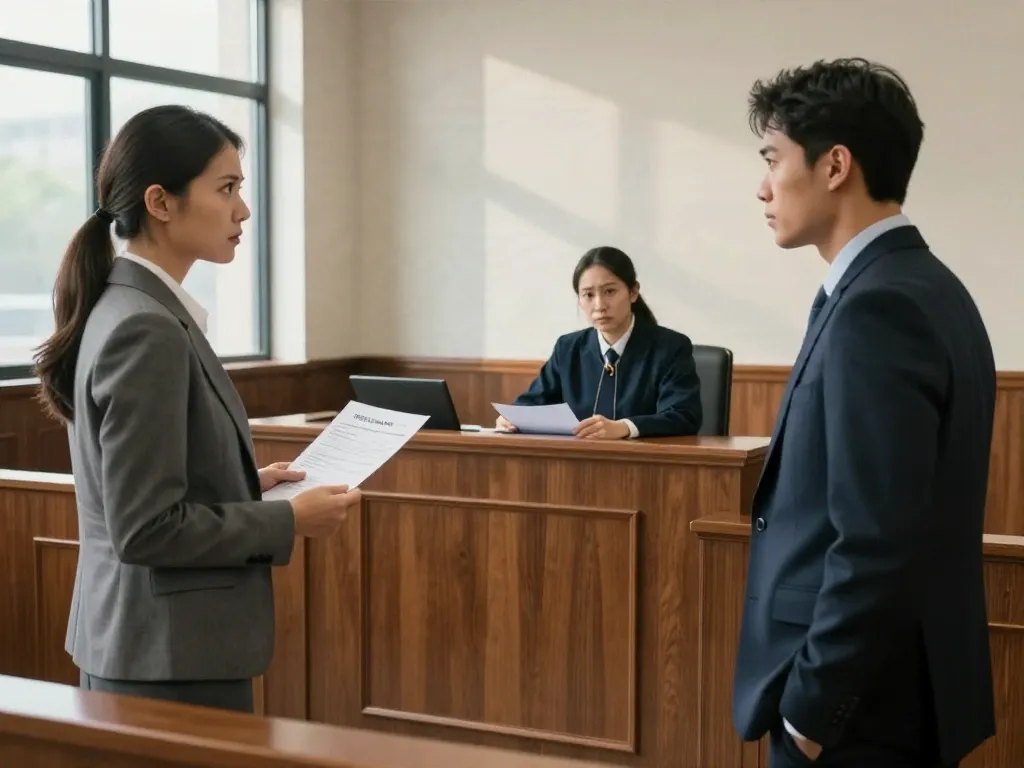
Introduction to Small Claims Court for Unpaid Invoices
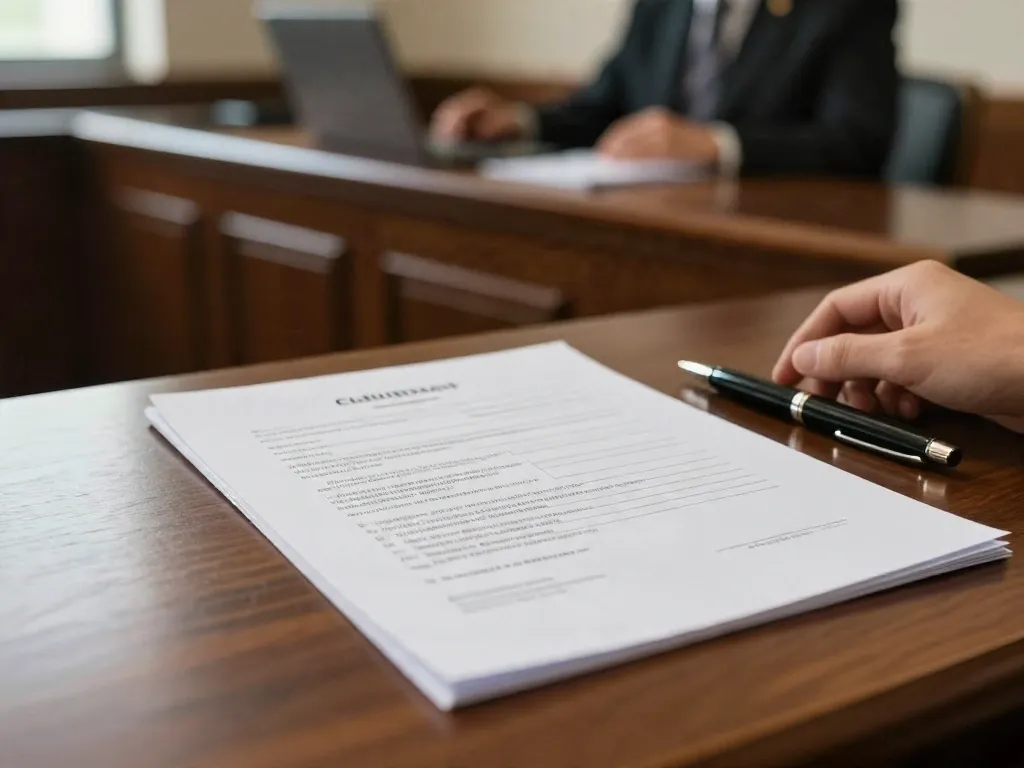
Definition and Purpose of Small Claims Court
Small claims court is a specialized judicial venue designed to resolve disputes involving relatively small monetary amounts quickly and efficiently. The primary purpose of small claims court is to provide a simplified and less formal legal process where individuals and businesses can seek redress for financial grievances without the need for extensive legal representation. This makes it an accessible option for those facing issues with unpaid invoices.
Common Reasons for Filing a Claim
There are several common reasons that lead businesses and individuals to file claims in small claims court for unpaid invoices. Some of these include:
- Failure to pay for services rendered: When a client does not pay for contracted services, such as consulting or freelance work.
- Unpaid goods delivered: When a supplier delivers products, but the buyer fails to fulfill payment obligations.
- Breach of contract: When one party does not adhere to the terms outlined in a written agreement, leading to financial loss.
- Disputes over amounts owed: Situations where the parties disagree on the amount due, often leading to a claim for payment.
Overview of the Process
The process of filing a claim in small claims court generally involves several key steps:
- Assessing whether you meet the eligibility criteria for filing a claim.
- Gathering necessary evidence and documentation to support your claim.
- Filing the claim with the appropriate court and paying any associated fees.
- Preparing for the hearing by organizing your presentation and understanding court procedures.
- Attending the hearing and presenting your case before a judge.
- Collecting the judgment if awarded, or taking further steps if the judgment is not paid.
Eligibility Criteria for Filing a Claim
Monetary Limits on Claims
One of the first considerations when filing a claim in small claims court is understanding the monetary limits that vary by jurisdiction. Generally, these limits can range from $2,500 to $25,000 depending on the state or country in which the claim is filed. For example, in California, the limit is currently set at $10,000 for businesses and $5,000 for individuals. It is essential to check the specific limits in your area to ensure that your claim qualifies for small claims court.
Jurisdictional Requirements
Jurisdiction refers to the authority of a court to hear a case. When filing a claim for unpaid invoices, you must ensure that you are filing in the correct jurisdiction, which is typically where the transaction occurred or where the defendant resides. For instance, if a service was provided in New York City, but the defendant lives in a different state, you may be required to file in New York if that is where the contract was executed or the service performed.
Eligibility of Claimants and Defendants
Both the claimant (the person filing the claim) and the defendant (the party being sued) must meet certain eligibility criteria. Generally, individuals and businesses can file claims, but there may be restrictions on who can represent a business in court. For example, while a sole proprietor may represent themselves, a corporation may need to be represented by an attorney. Additionally, the defendant must be a legal entity, which means they can be individuals, partnerships, or corporations that owe a debt.
Preparing Your Case for Small Claims Court
Gathering Evidence and Documentation
Preparing a strong case in small claims court requires thorough documentation. To support your claim for unpaid invoices, consider gathering the following:
- Invoices: Clear copies of all unpaid invoices sent to the defendant, including dates and amounts.
- Contracts: Any signed agreements or contracts that outline the terms of service or sale.
- Correspondence: Emails or letters exchanged regarding the unpaid invoices, including reminders and payment requests.
- Proof of service: Documentation proving that the services were rendered or goods delivered.
Writing a Demand Letter
A demand letter serves as a formal request for payment before filing a claim in small claims court. This letter should clearly state:
- The amount owed.
- A brief description of the services provided or goods delivered.
- A deadline for payment (typically 10-14 days).
- A warning that legal action may be taken if payment is not received.
Sending a demand letter not only shows that you attempted to resolve the issue amicably but also provides evidence of your efforts if the case proceeds to court.
Understanding Filing Fees and Costs
Filing a claim in small claims court often involves certain fees, which can vary by jurisdiction. Typical costs include:
- Filing fee: This fee varies by state and can range from $30 to $200 based on the amount of the claim.
- Service fees: Costs associated with serving the defendant with court documents, which may require a process server or sheriff.
- Additional costs: Potential fees for obtaining copies of documents or other evidence needed for the case.
It's essential to budget for these costs when preparing to file your claim.
The Small Claims Court Hearing Process
What to Expect on Hearing Day
On the day of the hearing, it is crucial to arrive early and be well-prepared. Expect the following:
- Check-in: Upon arrival, check in with the court clerk to confirm your case is on the schedule.
- Waiting for your turn: Be prepared for a wait, as multiple cases may be scheduled for the same day.
- Courtroom etiquette: Dress appropriately, speak respectfully to the judge, and adhere to courtroom procedures.
Presenting Your Case Effectively
During the hearing, it is your responsibility to present your case clearly and concisely. Consider these tips:
- Be organized: Have all documentation in order and easily accessible.
- Be concise: Focus on the key points of your case without unnecessary elaboration.
- Practice your presentation: Rehearse what you plan to say to ensure clarity and confidence.
Be prepared to answer questions from the judge and respond to any counterarguments presented by the defendant.
Understanding the Role of the Judge
The judge in small claims court plays a vital role in overseeing the proceedings. Their responsibilities include:
- Listening to both sides of the case.
- Asking questions for clarification.
- Making a ruling based on the evidence presented.
Judges in small claims court are typically more informal than those in higher courts, but they still expect adherence to legal procedures and respect for the court's authority.
Post-Hearing Actions and Enforcement of Judgments
Receiving the Court's Decision
After both parties have presented their cases, the judge will make a decision, which may be delivered immediately or within a few weeks. If you win your case, the court will issue a judgment in your favor, specifying the amount the defendant owes you. This judgment is a legally binding document and can be enforced if the defendant does not pay voluntarily.
Options for Collecting the Judgment
If the defendant fails to pay the judgment, you have several options to collect what is owed:
- Payment plan: You may agree to a payment plan with the defendant, allowing them to pay in installments.
- Wage garnishment: In some jurisdictions, you can request that the court garnish the defendant's wages until the debt is paid.
- Bank levies: You may be able to request a bank levy, which allows you to collect funds directly from the defendant's bank account.
- Property liens: Placing a lien on the defendant's property can prevent them from selling or refinancing until the debt is settled.
What to Do if the Judgment is Not Paid
If the defendant remains uncooperative and does not pay the judgment, there are additional steps you can take:
- File for contempt: If the defendant has the means to pay but refuses, you may file for contempt of court.
- Seek legal advice: Consulting with an attorney can provide options tailored to your situation and jurisdiction.
- Consider alternative dispute resolution: Mediation or arbitration may offer solutions to collect the debt without further court intervention.
Understanding the options available to collect on a judgment is crucial to ensure that you do not end up with a court ruling that cannot be enforced.



Comments
No comments yet.
Leave a comment