
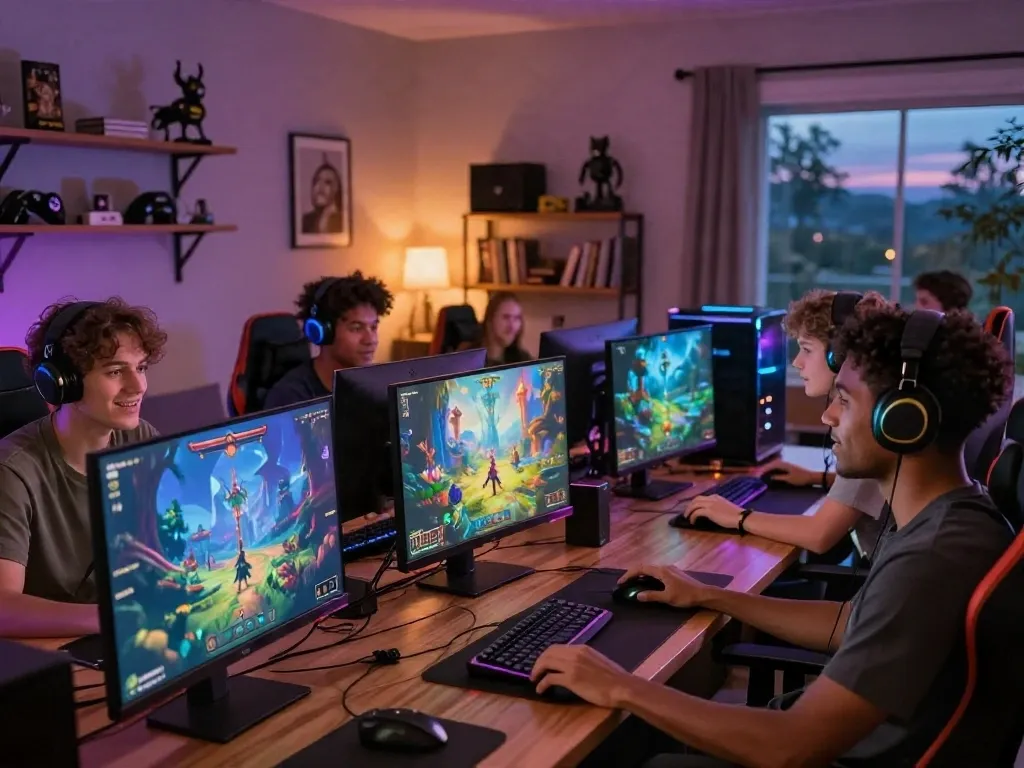
The Resilience of MMORPG Subscription Models in a Free-to-Play Era

In recent years, the gaming landscape has undergone significant changes, primarily driven by the rise of free-to-play (F2P) models. However, despite the overwhelming popularity of these models, Massively Multiplayer Online Role-Playing Games (MMORPGs) that utilize subscription-based systems continue to thrive. This article explores the reasons why MMORPG subscription models keep returning, examining market saturation, economic factors, psychological appeals, and technological advancements that support their success.
Market Saturation and Player Expectations
The MMORPG market is increasingly saturated, with numerous titles vying for players' attention. As a result, player expectations have evolved. Gamers now seek immersive experiences that provide value beyond initial gameplay. They are more discerning with their time and money, often gravitating toward games that promise consistent content and community engagement. Subscription models meet these expectations by delivering reliable updates and a robust gaming environment.
For instance, World of Warcraft has maintained its relevance for nearly two decades by continuously expanding its universe through regular expansions and updates. Players expect a depth of content that free-to-play models often struggle to provide, as they frequently rely on microtransactions that can disrupt gameplay balance.
The Value of Consistent Content Updates
One of the defining features of successful MMORPGs is their commitment to consistent content updates. Subscription models allow developers to allocate resources effectively, ensuring a steady stream of fresh content. This approach keeps the player base engaged and invested in the game world.
For example, Final Fantasy XIV has adopted a dynamic approach to content delivery, with major patches released approximately every three months. Each update introduces new quests, raids, and storylines, creating a compelling reason for players to remain subscribed. The anticipation of new content fosters a sense of excitement and keeps the community vibrant.
Community Engagement and Loyalty
Subscription-based MMORPGs often cultivate stronger communities due to the commitment required from players. When gamers invest in a subscription, they are more likely to engage with the game on a deeper level, forming bonds with other players and contributing to a sense of loyalty.
The social aspect of MMORPGs is a significant draw. Players often participate in guilds and alliances, organizing events and activities that foster camaraderie. This engagement creates a feedback loop where loyal players contribute to the game's ecosystem, encouraging developers to continue providing quality content and maintaining the subscription model.
Economic Factors Driving Subscription Success
Stable Revenue Streams for Developers
One of the most compelling reasons subscription models continue to thrive is the stability they offer developers. Unlike free-to-play games that rely on unpredictable microtransaction revenue, subscription fees provide a consistent income stream. This financial stability enables developers to plan long-term projects and invest in high-quality content.
For example, Star Wars: The Old Republic initially launched as a subscription-based game. Although it transitioned to a free-to-play model, its early success was largely attributed to the predictable revenue that subscriptions afforded. The model allowed for significant investments in voice acting, story development, and expansive world-building, resulting in a rich gaming experience that retained players.
Investment in Quality Over Quantity
With a stable revenue model, developers can focus on quality rather than quantity. Subscription fees encourage the production of polished, immersive content that is often lacking in many free-to-play titles. This focus on quality is evident in games like Guild Wars 2, which, despite not having a subscription model, offers expansive expansions at a premium price. This model illustrates that players are willing to pay for high-quality content, reinforcing the appeal of subscription-based systems.
Global Market Trends and Spending Habits
As the global gaming market continues to expand, players are adapting their spending habits. According to a report from Newzoo, the global games market was projected to reach $175 billion by 2021, with mobile and online gaming playing a significant role. Subscription models have adapted to these trends, offering flexibility and value that appeal to modern gamers.
In particular, the rise of gaming subscriptions has mirrored trends in other entertainment sectors, such as streaming services. Just as consumers are willing to pay for platforms like Netflix or Spotify, many gamers find value in subscribing to MMORPGs that offer continuous content and community engagement. This shift in spending habits supports the viability of subscription models.
The Psychological Appeal of Subscription-Based Gaming
Commitment and Investment in Characters
The psychological aspect of gaming cannot be understated, especially in MMORPGs. Subscription models encourage players to invest time and effort into their characters, fostering a sense of ownership and attachment. This commitment often translates into a willingness to continue paying for access to the game.
For instance, players in World of Warcraft often invest hundreds of hours into leveling characters, acquiring gear, and participating in raids. This time investment creates a barrier to leaving the game; players feel they have too much at stake to simply walk away.
The Sense of Belonging in a Subscription Community
The social aspect of MMORPGs is a significant draw for players. Subscription models foster a sense of belonging within a community, as players often interact with others who share their investment in the game. This community aspect can lead to lasting friendships and support networks, further incentivizing players to maintain their subscriptions.
Games like Final Fantasy XIV are known for their welcoming communities, where players often come together to help one another through challenges. This environment of cooperation and camaraderie reinforces the value of maintaining a subscription, as players feel a strong attachment to their in-game alliances.
Anticipation and Satisfaction from Regular Rewards
Subscription models capitalize on the psychological principles of anticipation and reward. Regular content updates and in-game events create excitement and encourage players to log in frequently. The thrill of new content, coupled with the satisfaction of completing objectives and earning rewards, reinforces a positive feedback loop.
For example, Final Fantasy XIV employs a robust system of seasonal events and raids that keep players engaged. The anticipation of new content encourages players to remain subscribed, while the satisfaction of overcoming challenges fosters loyalty to the game.
Technological Advancements Supporting Subscription Models
Enhanced Server Stability and Performance
Technological advancements have played a significant role in the success of subscription-based MMORPGs. Enhanced server stability and performance allow for a seamless gaming experience, crucial for the immersive worlds these games offer. Players are less likely to tolerate lag or server downtime, particularly when they are paying for access.
Developers can invest in robust server infrastructure, ensuring that players can enjoy a smooth gaming experience. This reliability is a key factor in retaining subscribers, as seen with games like World of Warcraft, which has continually improved its server technology over the years to accommodate its large player base.
Innovative Gameplay Features Exclusive to Subscribers
Subscription models often allow developers to experiment with innovative gameplay features that enhance the gaming experience. Exclusive content, such as unique quests, rare items, and advanced mechanics, incentivizes players to maintain their subscriptions.
For instance, Star Wars: The Old Republic offers subscribers access to additional storylines and character customization options that are not available to free players. This exclusivity can be a powerful motivator for players who want to experience the full depth of the game.
Cross-Platform Accessibility and Integration
The rise of cross-platform gaming has also supported subscription models by allowing players to access their games on multiple devices. This flexibility means that players can engage with their MMORPGs whenever and wherever they choose, enhancing the overall experience.
Games like Final Fantasy XIV have capitalized on this trend, allowing players to switch between PC and console versions seamlessly. This accessibility encourages players to maintain their subscriptions, as they can enjoy the game in various settings without losing progress.
Case Studies of Successful MMORPGs with Subscription Models
World of Warcraft: A Benchmark for Longevity
World of Warcraft (WoW) remains the gold standard for subscription-based MMORPGs, with a player base that has consistently grown since its release in 2004. The game's success can be attributed to its commitment to quality, regular content updates, and a deep, immersive world. With over 100 million accounts created and millions of active subscribers, WoW continues to thrive despite the emergence of free-to-play competitors.
Final Fantasy XIV: The Comeback Story
Final Fantasy XIV represents a remarkable turnaround in the MMORPG landscape. Originally launched in 2010 to critical failure, the game was re-released as Final Fantasy XIV: A Realm Reborn in 2013, adopting a subscription model that revitalized its player base. The game's focus on storytelling, community engagement, and regular content updates has led to a dedicated following, with over 24 million registered players as of 2023.
Star Wars: The Old Republic and Its Unique Approach
Star Wars: The Old Republic (SWTOR) offers a unique approach to the subscription model by allowing players to experience the game for free with limited access. However, the subscription model unlocks the full potential of the game, providing access to all expansions, exclusive content, and a more immersive experience. SWTOR's blend of storytelling and community engagement has kept its player base active, illustrating the continued relevance of subscription models in the MMORPG space.
Conclusion
The resilience of MMORPG subscription models in a free-to-play era can be attributed to a combination of factors, including market saturation, economic stability, psychological appeals, and technological advancements. As long as developers continue to prioritize quality content and community engagement, subscription models will remain a viable option for both players and creators. With successful case studies like World of Warcraft, Final Fantasy XIV, and Star Wars: The Old Republic leading the way, the future of subscription-based MMORPGs looks promising.



Comments
No comments yet.
Leave a comment