
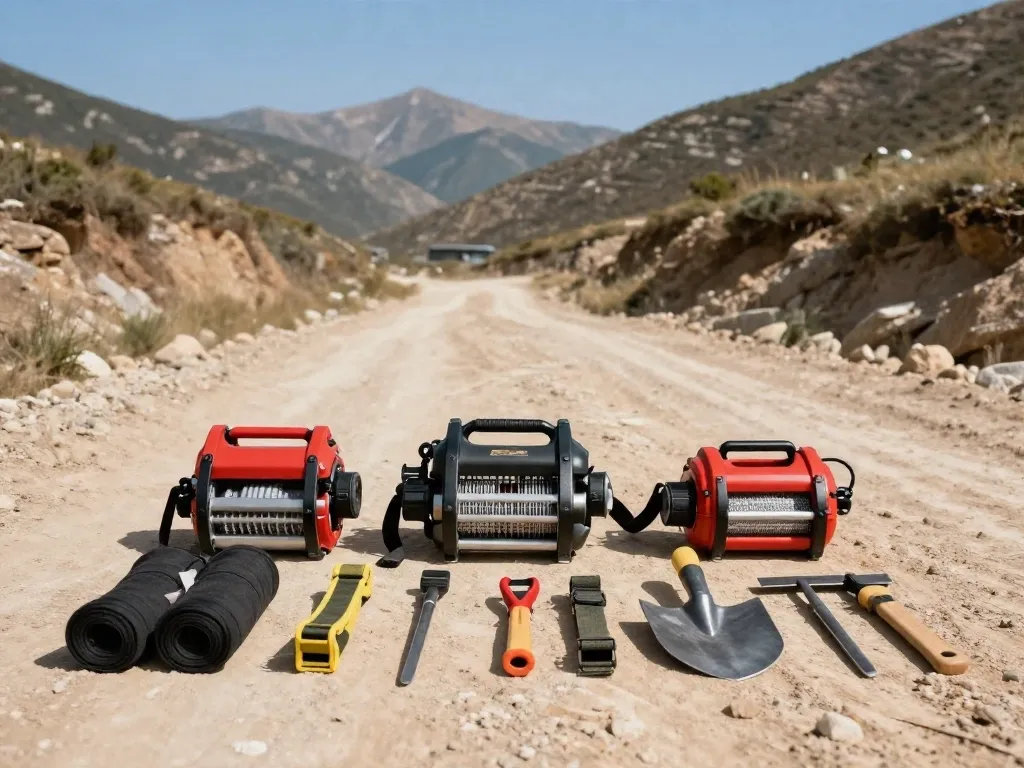
Lack of Awareness About Off-Road Recovery Gear
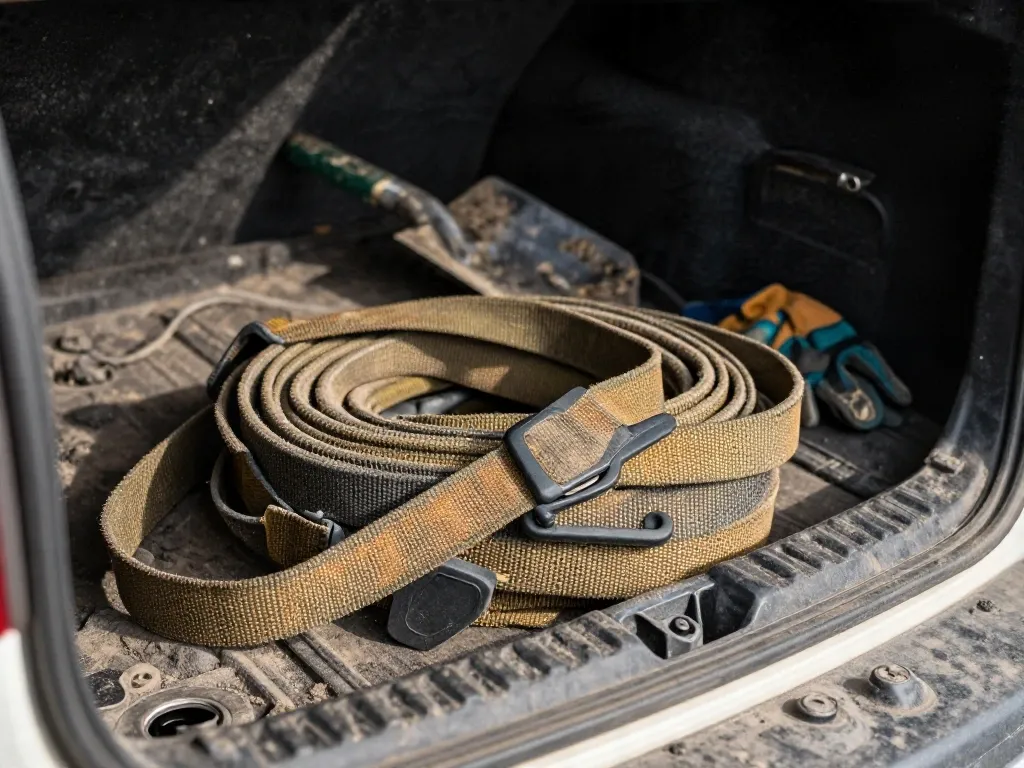
Understanding the Importance of Recovery Gear
Off-roading is an exhilarating activity that allows enthusiasts to explore the great outdoors, conquer rugged terrains, and enjoy thrilling adventures. However, the unpredictable nature of off-roading can lead to unexpected situations where recovery gear becomes essential. Recovery gear encompasses a variety of tools designed to help vehicles navigate challenging conditions, such as mud, sand, or steep inclines. Despite their significance, many off-roaders remain unaware of the specific recovery gear available and its practical applications.
Common Misconceptions Among Off-Road Enthusiasts
One of the primary reasons off-road recovery gear goes unused is rooted in misconceptions about its necessity. Many new enthusiasts believe that off-roading is a straightforward endeavor, assuming that a capable vehicle alone can overcome any obstacle. This mindset underestimates the critical role recovery gear plays in ensuring safety and success on the trails.
- Misinformation: Some believe that recovery gear is only for "extreme" off-roading, deterring casual off-roaders from investing in essential tools.
- Overconfidence: Many assume they can handle any situation without gear, leading to avoidable mishaps.
- Peer Influence: If fellow enthusiasts do not utilize recovery gear, newcomers may feel pressured to follow suit.
Education and Resources Available for New Off-Roaders
To combat the lack of awareness, it is crucial to promote education surrounding off-road recovery gear. Organizations, clubs, and online communities often provide resources that can help new off-roaders understand what gear is necessary and how to use it effectively. Workshops, training sessions, and instructional videos can offer valuable insights into the importance of recovery gear, ensuring that enthusiasts are well-prepared for their adventures.
Infrequent Off-Roading Experiences
Frequency of Off-Road Trips and Its Impact
Another significant factor contributing to unused recovery gear is the infrequency of off-roading experiences. For many enthusiasts, off-roading is a seasonal or occasional activity, which can lead to a lack of motivation to familiarize themselves with their recovery gear. For example, if someone only goes off-roading a couple of times a year, the gear may remain untouched and unused, gathering dust in the garage.
Seasonal Variation in Off-Road Activities
The off-roading season varies significantly across regions, with some areas experiencing harsh winters that make off-roading impractical. For instance, enthusiasts in northern states may only engage in off-roading during the summer months. As a result, their recovery gear may remain unused for the majority of the year, leading to a mindset of "I'll get to it later," which often turns into never.
How Personal Schedules Affect Gear Usage
Personal schedules also play a crucial role in the frequency of off-roading activities. Busy work lives, family commitments, and other responsibilities can limit the time available for off-roading trips. Consequently, recovery gear may become an afterthought, as individuals prioritize other aspects of their lives. The less often they go off-roading, the less likely they are to familiarize themselves with their gear, creating a cycle of neglect.
Perceived Complexity of Recovery Gear
Intimidation Factor for Beginners
Many beginners find the world of off-road recovery gear intimidating. The variety of equipment available—from winches and recovery straps to shackles and traction boards—can be overwhelming. This intimidation can lead to reluctance in using the gear, as new off-roaders may feel unqualified to handle the equipment properly. For example, the thought of operating a winch may seem daunting to someone who has never had hands-on experience.
Misunderstanding the Setup and Use of Equipment
Additionally, a significant barrier to utilizing recovery gear is the misunderstanding of how to set up and use the equipment correctly. Many off-roaders may own recovery gear but have never practiced using it in a safe environment. For instance, a typical recovery strap requires specific knowledge of how to attach it to both the stuck vehicle and the recovery vehicle. Without this understanding, individuals may hesitate to use the gear during a critical moment, potentially leading to dangerous situations.
The Role of Training and Familiarization
Training plays an essential role in overcoming the perceived complexity of recovery gear. Organizations and clubs often offer hands-on workshops where beginners can learn how to use recovery gear effectively. For example, a workshop might include practical sessions on how to use a winch, properly secure a recovery strap, or navigate challenging terrains. Familiarization with the gear in a controlled environment can significantly reduce the intimidation factor and boost confidence among new off-roaders.
Financial Considerations and Gear Investment
Cost vs. Frequency of Use Analysis
Financial considerations also contribute to the underutilization of off-road recovery gear. For many enthusiasts, the cost of high-quality recovery equipment can be significant. A decent winch can range anywhere from $250 to $1,200, depending on its capacity and brand. When individuals perceive that they may only use this gear a few times a year, the cost-benefit analysis can deter them from making a purchase.
Budget Constraints for Hobbyists
Many off-roaders engage in the hobby as a side passion rather than a primary focus. As such, they often have budget constraints that limit their ability to invest in recovery gear. They might prioritize other vehicle modifications or expenses over acquiring necessary recovery tools. This can lead to a situation where they opt to forgo recovery gear altogether, convincing themselves that they can manage without it.
Long-Term Value of Recovery Gear
However, it is essential to recognize the long-term value of investing in recovery gear. High-quality recovery equipment can last for years and provide peace of mind during off-road trips. For example, a recovery strap made from durable materials can withstand extreme conditions and provide reliable performance over time. When weighed against the potential cost of vehicle damage or injury resulting from being unprepared, the investment in recovery gear can be justified.
Social Influences and Peer Dynamics
The Role of Peer Pressure in Gear Selection
Social influences significantly affect the choices off-road enthusiasts make regarding recovery gear. Peer pressure can lead individuals to conform to group norms, which might not prioritize safety equipment. If a group of friends consistently avoids using recovery gear, new members may feel compelled to do the same, believing it is unnecessary or burdensome. This dynamic can perpetuate a cycle where recovery gear remains unused among groups of enthusiasts.
Influence of Online Communities and Forums
Online communities and forums also play a significant role in shaping off-road culture and gear choices. In many cases, these platforms can promote specific trends or gear preferences that may not align with individual needs. For instance, a popular forum might endorse a specific brand of traction boards, leading users to invest in this gear without fully understanding its application or necessity. This can result in a collection of unused items that do not serve the user effectively.
Trends and Fads in Off-Roading Gear Choices
Moreover, trends and fads often influence gear choices in off-roading communities. Some enthusiasts may purchase recovery gear based on its popularity rather than its actual usefulness. For example, if a particular type of winch gains traction among social media influencers, newcomers may feel compelled to buy it, even if it does not fit their off-roading style or frequency of use. As a result, they may find themselves with gear that sits unused, leading to frustration and wasted resources.
Conclusion
In summary, the reasons why off-road recovery gear often goes unused are multifaceted, encompassing lack of awareness, infrequent off-roading experiences, perceived complexity, financial considerations, and social influences. Understanding these factors is crucial for off-road enthusiasts who wish to enhance their safety and enjoyment while exploring the great outdoors. By promoting education, encouraging regular off-roading experiences, simplifying the learning process of gear usage, recognizing the long-term value of investment, and fostering a supportive community, we can help ensure that recovery gear is not just purchased but actively utilized when needed.

Comments
No comments yet.
Leave a comment