
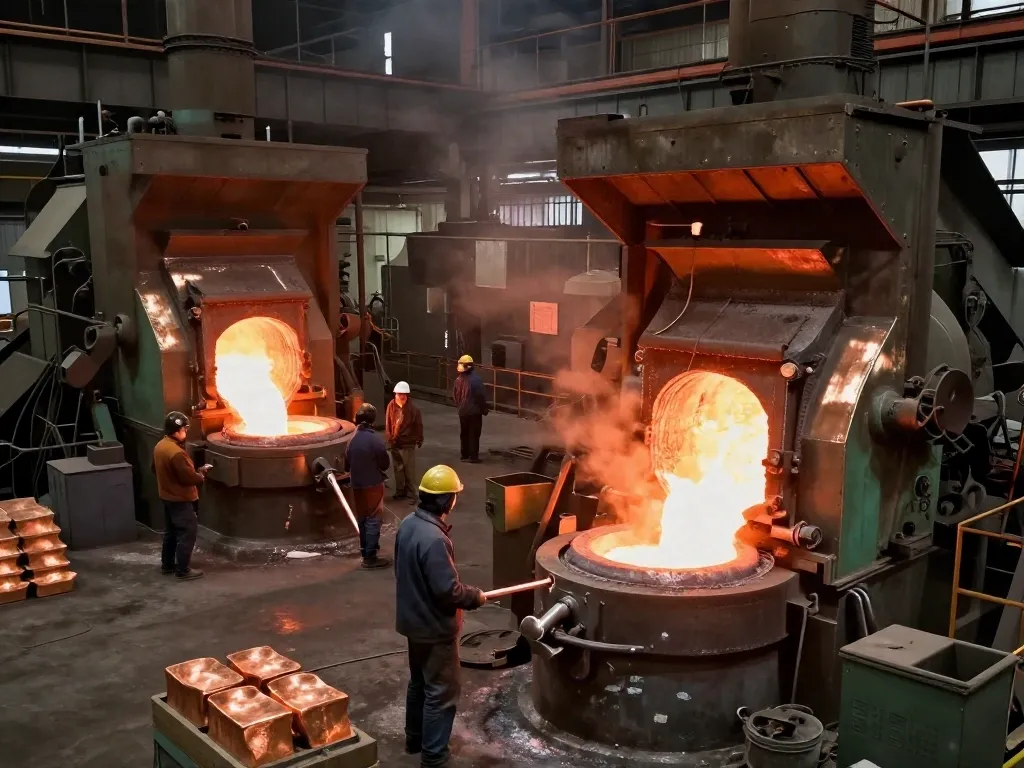
Overview of Precious Metal Recovery in Copper Smelting
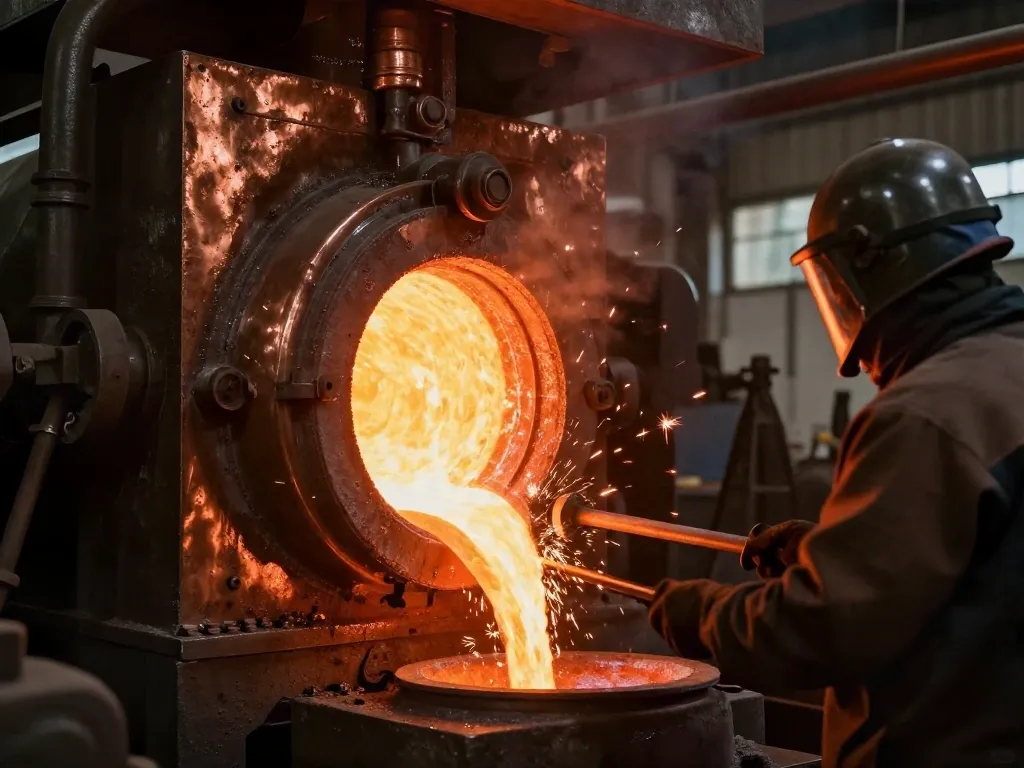
Copper smelting is a crucial process in the metallurgical industry, not only for producing copper metal but also for recovering precious metals such as gold, silver, and platinum group metals (PGMs). The ability to effectively recover these precious metals enhances the economic viability of copper smelting operations, making them more sustainable and profitable.
Importance of Precious Metals in Copper Smelting
Precious metals hold significant value, often trading at prices several times higher than that of copper. For instance, as of October 2023, gold prices hover around $1,900 per ounce, while silver trades at approximately $25 per ounce. In many copper ores, these precious metals are present in trace amounts, yet their recovery can contribute substantially to the overall profitability of a smelter. Furthermore, the presence of these metals can influence the choice of smelting technology, operational processes, and recycling practices.
Process Overview: From Ore to Recovery
The journey of precious metals within copper smelting begins with the extraction of copper ore, which often contains significant concentrations of gold and silver. The initial stages involve crushing, grinding, and concentrating the ore through flotation or other separation methods to create a copper concentrate. This concentrate typically contains about 20-30% copper along with lesser amounts of precious metals.
Once the concentrate is prepared, it undergoes smelting—a high-temperature process that separates the metal from impurities. During smelting, precious metals are often concentrated in the matte produced along with copper. Further refining processes are then employed to extract these precious metals from the matte, ensuring maximum recovery rates.
Key Technologies in Precious Metal Recovery
Several advanced technologies are employed in the recovery of precious metals from copper smelting operations. These include:
- Conventional Smelting Furnaces: Technologies like the Peirce-Smith converter and the electric arc furnace are commonly used to convert copper matte into blister copper, allowing for the separation of precious metals.
- Flotation Techniques: These are utilized during the initial concentration of ores, enhancing the recovery of precious metals alongside copper.
- Leaching Processes: Both hydrometallurgical and bioleaching methods can be employed post-smelting to extract precious metals from the slag or matte.
Methods of Precious Metal Extraction
Fire Refining Techniques
Fire refining is a traditional method used to recover precious metals from copper matte. During this process, the matte is heated in a furnace to approximately 1,200°C, allowing for the oxidation of iron and the formation of a slag that can be removed. Precious metals remain in the molten copper or are collected in the slag. The resulting blister copper is then subjected to further refining to isolate gold and silver.
For example, in a study of a fire refining operation in a large copper smelter, it was reported that up to 90% of the precious metals contained in the matte were successfully recovered through this method. This high recovery rate is attributed to the careful control of temperatures and the chemistry of the refining process.
Hydrometallurgical Processes
Hydrometallurgical processes, particularly solvent extraction and precipitation, have gained popularity in recent years due to their effectiveness and lower environmental impact. In these methods, copper is dissolved in a leaching solution, typically sulfuric acid, and precious metals are selectively extracted using organic solvents. Once the extraction is complete, metals are recovered through precipitation or electrowinning.
For instance, a copper smelter in South America utilizes a hydrometallurgical process to recover silver from its leachate. This operation has reported recovery rates exceeding 95%, demonstrating the efficiency of this approach compared to traditional methods.
Electrolytic Methods for Recovery
Electrolytic methods are often employed for the final recovery of precious metals after initial refining. In these processes, an electric current is passed through a solution containing dissolved metals, causing them to deposit onto an electrode. This method is particularly effective for recovering high-purity gold and silver from copper electrorefining operations.
A notable example of this technology in practice is the use of electrolytic recovery cells in a major North American smelter, which has achieved silver recoveries of around 98% through electrolytic deposition. This not only enhances the economic returns from precious metal recovery but also ensures compliance with environmental regulations regarding waste management.
Challenges in Recovering Precious Metals
Contamination and Impurities
One of the primary challenges in precious metal recovery from copper smelting is the presence of impurities that can contaminate the final product. Elements such as arsenic, lead, and bismuth can interfere with the recovery processes, leading to lower yields and increased processing costs. Effective separation techniques and careful monitoring of input materials are essential to mitigate these risks.
Environmental Regulations and Compliance
With growing concerns over environmental sustainability, copper smelters must navigate complex regulations governing emissions, waste management, and resource use. Failure to comply can lead to significant fines, operational shutdowns, and reputational damage. As a result, many smelters are investing in cleaner technologies and processes to ensure compliance while maximizing precious metal recovery.
Economic Viability of Recovery Processes
The economic viability of precious metal recovery processes is influenced by several factors, including market prices, operational costs, and technological efficiencies. Fluctuations in the prices of gold, silver, and other precious metals can significantly impact the return on investment for recovery operations. For instance, a drop in silver prices can make certain recovery methods economically unfeasible, prompting smelters to reassess their processes and technologies.
Case Studies of Successful Recovery Operations
Innovative Smelting Operations
Several smelting operations around the world exemplify successful precious metal recovery strategies. One notable case is the Antamina Mine in Peru, which employs advanced flotation and smelting technologies to recover both copper and significant amounts of silver and gold. The operation uses a combination of traditional fire refining and innovative hydrometallurgical processes, achieving an impressive recovery rate of over 95% for precious metals.
Performance Metrics and Results
Performance metrics are critical in assessing the success of precious metal recovery operations. At the Antamina Mine, for instance, the refining process has led to the extraction of over 500,000 ounces of gold and 4 million ounces of silver annually. These figures highlight the economic significance of precious metal recovery within the broader context of copper production.
Lessons Learned from Industry Leaders
Industry leaders have shared valuable insights into optimizing precious metal recovery. For example, continuous investment in research and development has allowed companies like Freeport-McMoRan to innovate their processes, resulting in improved recovery rates and reduced operational costs. Furthermore, collaboration with technology providers has yielded new solutions that enhance recovery efficiency while adhering to environmental standards.
Future Trends in Precious Metal Recovery
Advancements in Smelting Technology
The future of precious metal recovery in copper smelting is poised for significant advancements. Emerging technologies, such as plasma smelting and novel leaching agents, are being explored to enhance recovery rates and reduce environmental impact. These innovations promise to streamline the recovery process, enabling smelters to extract precious metals more efficiently.
Sustainability Practices in Metal Recovery
As the industry moves toward more sustainable practices, the integration of circular economy principles is becoming increasingly important. Smelters are exploring ways to recycle materials and minimize waste, thereby improving the overall sustainability of precious metal recovery. For instance, some operations are implementing closed-loop systems that recycle leach solutions and other materials, further reducing their environmental footprint.
Market Trends and Their Impact on Recovery Strategies
Market trends, including rising demand for precious metals in various industries, are likely to influence recovery strategies in the coming years. With the growing importance of gold and silver in electronics, renewable energy technologies, and investment portfolios, smelters are expected to enhance their focus on maximizing recovery rates. This demand will drive innovation and investment in more efficient and sustainable recovery processes.
In conclusion, the effective recovery of precious metals in copper smelting is a multifaceted challenge that requires the integration of advanced technologies, adherence to environmental regulations, and strategic economic considerations. By continuously innovating and adapting to market dynamics, copper smelters can optimize their operations and contribute to a more sustainable future in the heavy industry and engineering sectors.

Comments
No comments yet.
Leave a comment