
Energy Consumption in Aluminum Smelting
Understanding Energy Requirements
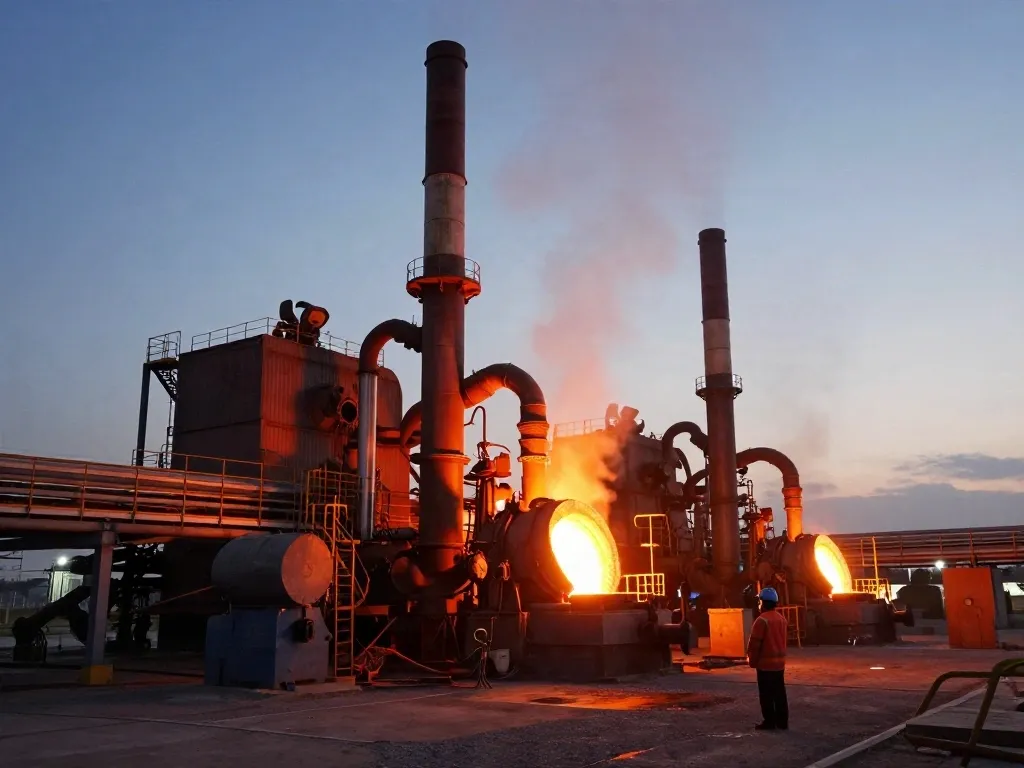
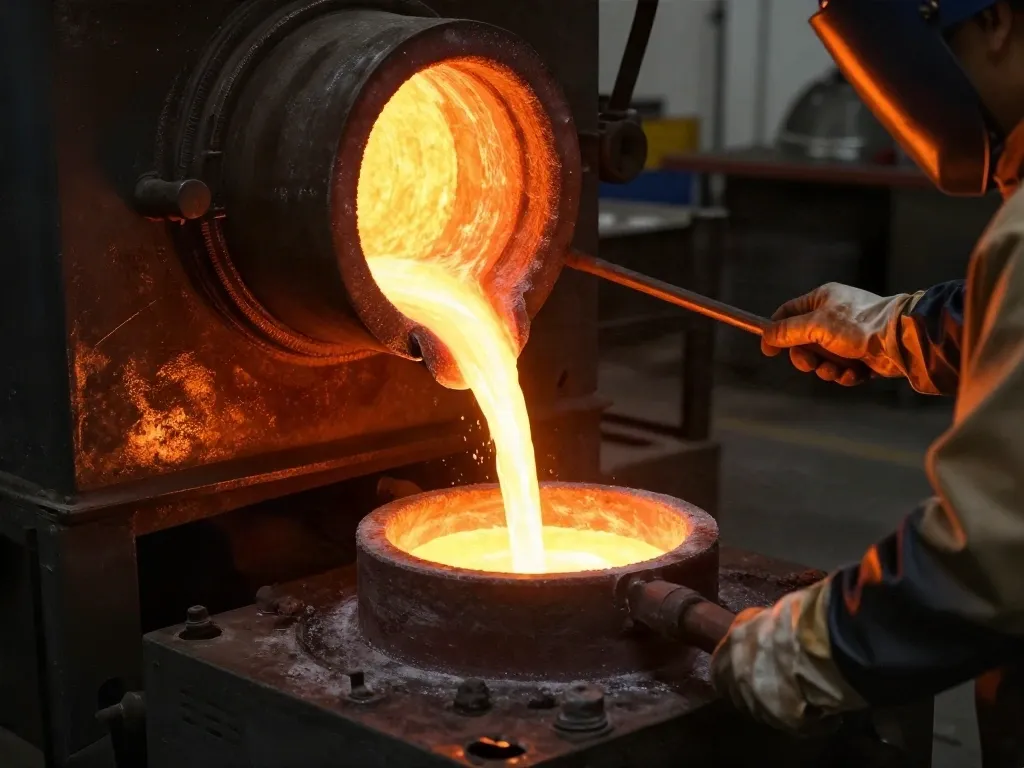
Aluminum smelting is an energy-intensive process that requires significant amounts of electricity to produce aluminum from its ore, bauxite. The primary method of aluminum production, known as the Hall-Héroult process, involves the electrolytic reduction of alumina (Al₂O₃) dissolved in molten cryolite (Na₃AlF₆). This process requires approximately 13 to 15 MWh of electricity for every ton of alumina produced. Given the global aluminum production figures—estimated at around 60 million tons in 2022 alone—this translates to an astonishing demand for electricity, often exceeding 800 million MWh annually.
Comparative Analysis of Energy Use
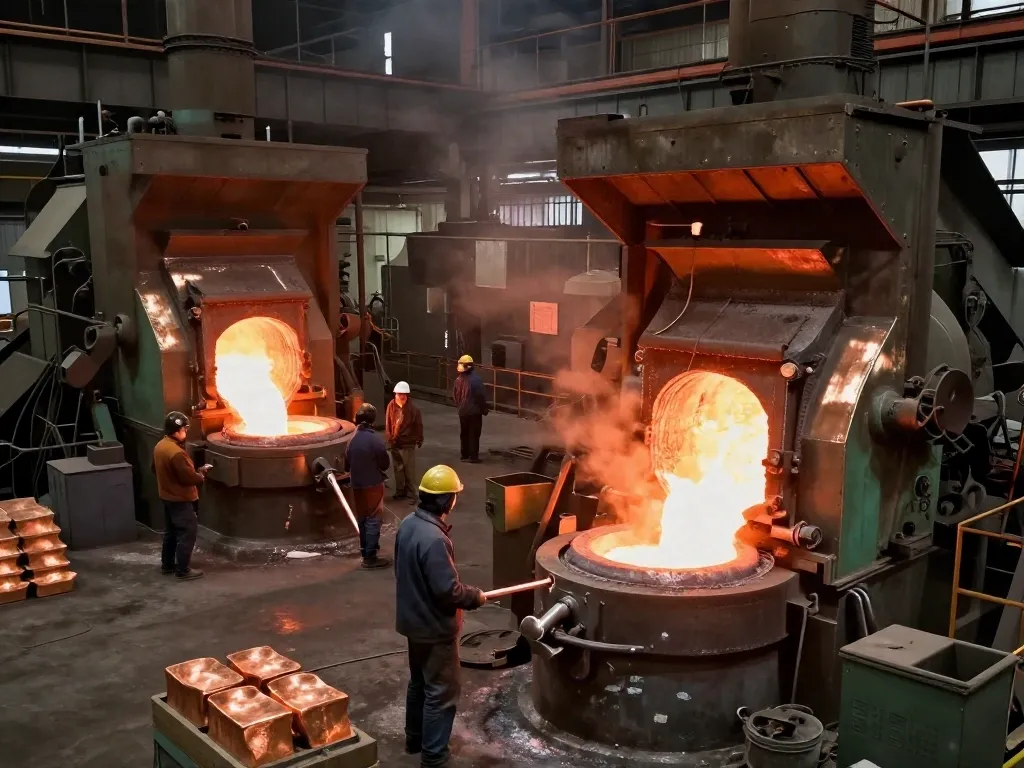
In comparison to other metals, aluminum smelting consumes far more energy. For instance, producing one ton of copper requires about 2.5 MWh of electricity, while zinc production falls at approximately 1.2 MWh per ton. This stark difference highlights the unique challenges faced by the aluminum industry and underscores the critical need for affordable electricity. The high energy requirements necessitate that aluminum smelters operate in regions with low electricity costs to remain competitive in the global market.
Impact on Production Costs
The cost of electricity is one of the largest operational expenses in aluminum smelting, often representing up to 40% of total production costs. As a result, fluctuations in electricity prices can dramatically affect profitability. For instance, during periods of high electricity prices, smelters may find it economically unviable to operate, leading to production cuts or temporary shutdowns. An example of this was observed during the energy crisis in Europe in 2021 when soaring electricity prices led to the temporary closure of several smelters, resulting in a significant drop in aluminum supply and subsequent price increases in the market.
Economic Factors Influencing Electricity Prices
Market Dynamics and Supply
The price of electricity is influenced by a variety of market dynamics, including supply and demand, fuel costs, and the regulatory environment. Regions with an abundance of cheap energy sources, such as hydroelectric power from rivers or geothermal energy, can provide lower electricity costs to smelters. For example, the aluminum industry in Canada benefits from extensive hydroelectric resources, allowing smelters to operate with lower electricity costs compared to regions reliant on fossil fuels.
Government Policies and Subsidies
Government interventions play a significant role in shaping electricity prices. In many countries, subsidies for renewable energy and other forms of power generation can reduce electricity prices for industrial users. For instance, in countries like Norway and Iceland, government policies support the development of renewable energy infrastructure, resulting in lower energy costs for aluminum smelting operations. Conversely, regions with high taxes on carbon emissions or fossil fuels may see increased electricity prices, adversely affecting the smelting industry.
Global Energy Trends
Global energy trends are also pivotal in determining electricity prices. The shift towards decarbonization and the increasing use of renewable energy sources are reshaping energy markets. While this transition is necessary for environmental sustainability, the initial investments in renewable infrastructure can lead to fluctuations in electricity pricing. For aluminum smelters, this means adapting to rapidly changing energy landscapes, often needing to switch to alternate sources of energy or invest in energy-efficient technologies to maintain competitiveness.
Technological Innovations for Energy Efficiency
Advancements in Smelting Technologies
Technological advancements in smelting processes have opened new avenues for reducing energy consumption. Innovations such as the use of inert anodes in the Hall-Héroult process have demonstrated potential for reducing electricity consumption by up to 15%. These anodes not only improve energy efficiency but also reduce greenhouse gas emissions, aligning the aluminum industry with sustainability goals. Companies like Alcoa and Rio Tinto have been at the forefront of developing these technologies, showcasing how innovation can lead to both cost savings and environmental benefits.
Impact of Automation on Energy Consumption
Automation in aluminum smelting operations can also contribute to energy efficiency. By utilizing advanced data analytics and machine learning, smelters can optimize energy use during production processes. For instance, real-time monitoring of energy consumption allows for immediate adjustments that can lead to lower operational costs. A notable example is the use of automated control systems that can adjust the current in the electrolysis cells dynamically, ensuring that energy is used efficiently without compromising output quality.
Role of Renewable Energy Sources
The integration of renewable energy sources into aluminum smelting presents a sustainable pathway for reducing electricity costs. Many aluminum producers are exploring partnerships with renewable energy providers to secure long-term, low-cost electricity contracts. For example, in Australia, several smelters are investing in large-scale solar and wind projects to supply their electricity needs. This not only stabilizes their energy costs but also enhances their sustainability credentials in an increasingly eco-conscious market.
Geographical Considerations for Smelter Locations
Proximity to Energy Sources
The geographical location of aluminum smelters is critically linked to their access to affordable electricity. Locations near abundant energy resources, such as hydroelectric power plants, are favored for their cost advantages. For example, smelters in Quebec benefit from cheap hydroelectric power, allowing them to maintain lower production costs compared to those located in areas with limited access to inexpensive energy sources.
Regional Differences in Electricity Costs
Regional disparities in electricity costs can significantly impact the competitiveness of aluminum smelters. For instance, smelters located in the Pacific Northwest of the United States enjoy some of the lowest electricity rates due to the availability of hydroelectric power, while those in regions reliant on coal or natural gas may face much higher energy costs. A comparative analysis of global smelter locations shows that regions with lower electricity prices tend to attract more investment in aluminum production facilities, reinforcing the link between energy costs and industrial development.
Infrastructure and Accessibility Issues
Infrastructure plays a vital role in determining the feasibility of aluminum smelting operations. Regions with well-developed electrical grids and transportation networks can facilitate lower energy costs and operational efficiencies. Conversely, areas with inadequate infrastructure may face increased costs related to energy transmission and logistics, making them less attractive for new smelting operations. For instance, smelters in remote locations may incur higher costs for electricity transport, negating any potential savings from lower local energy prices.
Future Outlook for Electricity in Aluminum Smelting
Trends in Energy Demand
The demand for aluminum is expected to rise, driven by its applications in automotive, aerospace, and construction industries. This increasing demand will place further pressure on electricity requirements for smelting. As the global economy continues to recover and expand, aluminum producers will need to secure affordable electricity to meet growing production demands without significantly increasing costs. Forecasts indicate that by 2030, global aluminum consumption could reach 80 million tons, necessitating innovative solutions to manage energy consumption effectively.
Predicted Changes in Pricing Structures
As the energy landscape evolves, predicted changes in electricity pricing structures will be crucial for aluminum smelters. The transition to more renewable energy sources may stabilize prices in the long term, but volatility in the short term could pose challenges. Smelters will need to navigate these changes by establishing flexible energy procurement strategies and engaging in long-term contracts that protect against price spikes. The development of energy storage technologies could also play a key role in managing costs and ensuring a reliable power supply.
Strategies for Sustainable Electricity Use
To ensure the sustainability of electricity use in aluminum smelting, companies must adopt comprehensive strategies that encompass energy efficiency, renewable energy integration, and technological innovation. Investments in energy-efficient technologies and practices will be paramount. Additionally, fostering partnerships with renewable energy producers can help smelters secure stable, low-cost electricity. Lastly, continuous monitoring and optimization of energy consumption can lead to significant cost savings while minimizing environmental impacts, aligning the aluminum industry with global sustainability goals.
Comments
No comments yet.
Leave a comment