
Understanding the Importance of Turnaround Maintenance in Oil Refineries

Defining Turnaround Maintenance
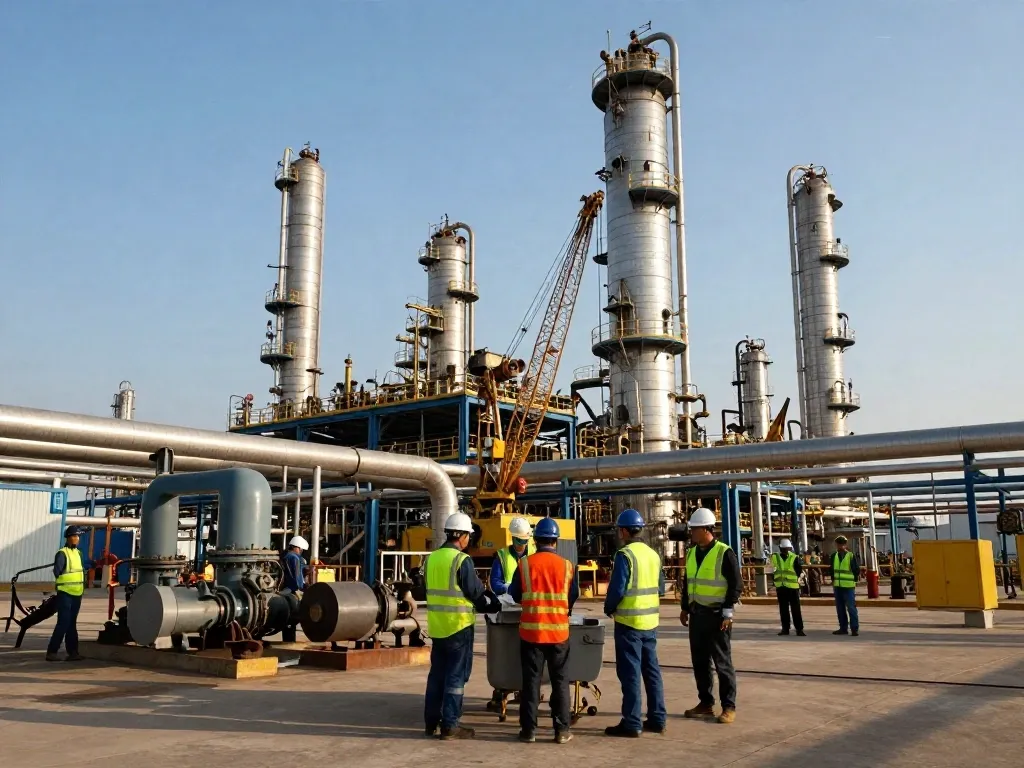
Turnaround maintenance is a critical process in the lifecycle of oil refineries. It refers to the planned shutdown of operations for the purpose of conducting maintenance, repairs, and upgrades. Typically scheduled every few years, turnarounds involve extensive inspections and overhauls of refinery equipment to ensure safety, efficiency, and compliance with regulations. This process can last from a few weeks to several months, depending on the scale of the maintenance required.
Impact on Operational Efficiency
The effectiveness of turnaround maintenance directly impacts an oil refinery's operational efficiency. When executed properly, turnarounds can lead to significant improvements in productivity, reduced downtime, and enhanced safety. For instance, a well-scheduled turnaround can minimize the time the refinery is offline, thus maximizing output when production resumes. According to industry reports, refineries that implement best practices in turnaround scheduling can achieve up to a 10-15% increase in operational efficiency post-maintenance.
Consequences of Poor Scheduling
Poorly scheduled turnarounds can have dire consequences. Delays and unexpected downtime can lead to lost revenue, increased operational costs, and potential safety hazards. For example, a refinery that experiences an extended shutdown due to inadequate planning might face a revenue loss of millions of dollars per day. Furthermore, the reputation of the refinery can suffer, impacting future contracts and partnerships.
Key Factors Influencing Turnaround Scheduling
Regulatory Compliance Requirements
Oil refineries are subject to stringent regulatory standards regarding safety, environmental protection, and operational protocols. Regulatory bodies, such as the Environmental Protection Agency (EPA) in the United States, require regular inspections and maintenance to ensure compliance. Failure to adhere to these regulations not only poses safety risks but also results in heavy fines and legal repercussions. Thus, scheduling turnaround maintenance to align with compliance requirements is essential for any refinery.
Production Cycle and Demand Fluctuations
The production cycle of oil refineries is influenced by market demand, seasonal variations, and geopolitical factors. Scheduling turnaround maintenance requires a thorough understanding of these dynamics. For example, a refinery may choose to schedule maintenance during periods of low demand, such as during the winter months, to minimize the impact on supply. Additionally, predictive analytics can help forecast demand shifts, allowing for more strategic scheduling of turnarounds.
Resource Availability and Allocation
Resource availability, including skilled labor, equipment, and materials, plays a crucial role in turnaround scheduling. Refineries often face constraints in labor availability, particularly when multiple facilities require maintenance simultaneously. To mitigate these challenges, effective resource allocation strategies must be employed. This may involve securing contracts with specialized contractors and suppliers well in advance of the scheduled turnaround to ensure all necessary resources are available.
Best Practices for Planning Turnaround Maintenance
Creating a Comprehensive Maintenance Plan
A robust maintenance plan is the cornerstone of successful turnaround scheduling. This plan should outline the scope of work, timelines, resource requirements, and safety protocols. Involving a cross-functional team during the planning phase can enhance the plan's effectiveness by incorporating insights from various departments, such as operations, engineering, and safety. A comprehensive plan should also include contingency measures to address unforeseen issues that may arise during the turnaround.
Utilizing Historical Data for Scheduling
Leveraging historical data is vital for optimizing turnaround scheduling. Analyzing past maintenance records, downtime incidents, and performance metrics can provide valuable insights into the most effective scheduling practices. For example, data from previous turnarounds can reveal patterns in equipment failures or highlight specific processes that take longer than anticipated. By utilizing this information, refineries can make more informed decisions and improve the accuracy of their turnaround schedules.
Stakeholder Communication and Coordination
Effective communication and coordination among stakeholders are essential for successful turnaround maintenance. This includes engaging with internal teams, contractors, and suppliers to ensure everyone is aligned on the goals and timelines of the turnaround. Regular meetings and updates can facilitate collaboration and help identify potential issues early on. For instance, using project management tools to track progress and share updates can enhance transparency and accountability among all parties involved.
Technological Tools for Optimizing Turnaround Scheduling
Maintenance Management Software Solutions
Modern maintenance management software solutions, such as SAP PM and Maximo, play a pivotal role in optimizing turnaround scheduling. These platforms enable refineries to plan, track, and manage maintenance activities efficiently. Features like work order management, resource allocation, and scheduling tools allow for greater flexibility and precision in turnaround planning. By automating routine tasks, refineries can focus on strategic decision-making and improve overall efficiency during turnarounds.
Data Analytics for Predictive Maintenance
Data analytics has emerged as a game-changer in the realm of predictive maintenance. By employing advanced analytics and machine learning algorithms, refineries can predict equipment failures before they occur, allowing for timely interventions during turnarounds. For example, the use of IoT sensors can provide real-time data on equipment performance, enabling maintenance teams to identify anomalies and schedule repairs proactively. This approach not only reduces downtime during turnarounds but also extends the lifespan of critical equipment.
Mobile Applications for Real-Time Updates
Mobile applications have become invaluable tools for turnaround maintenance scheduling. These applications facilitate real-time communication and updates among team members, enhancing coordination and responsiveness. For example, using apps like Fieldwire or PlanGrid allows maintenance crews to access plans, share progress, and report issues instantly from the field. This immediacy can significantly reduce delays and improve the overall efficiency of the turnaround process.
Case Studies: Successful Turnaround Maintenance Scheduling
Benchmarking Against Industry Leaders
Benchmarking against industry leaders can provide valuable insights into effective turnaround maintenance scheduling. For instance, a global leader in refining, such as ExxonMobil, has consistently demonstrated excellence in turnaround execution. Their approach involves meticulous planning, data-driven decision-making, and a strong emphasis on safety and compliance. By analyzing their best practices, other refineries can adopt similar strategies to enhance their turnaround efficiency.
Lessons Learned from Failed Turnarounds
Learning from the mistakes of others is equally important. Several high-profile failed turnarounds, such as the 2019 incident at the Philadelphia Energy Solutions refinery, highlight the consequences of poor planning and execution. The refinery faced significant financial losses and operational setbacks due to inadequate scheduling and resource allocation. By studying such failures, other refineries can identify potential pitfalls and develop strategies to avoid similar issues in their turnaround planning.
Innovative Approaches in Turnaround Scheduling
Innovation is key to improving turnaround scheduling. One notable example is the use of modular construction techniques in maintenance activities. By prefabricating components offsite, refineries can expedite the installation process during turnarounds. This approach not only reduces the time spent on-site but also minimizes disruptions to operations. Additionally, integrating augmented reality (AR) technology for training and execution can enhance worker efficiency and safety during turnarounds.
Comments
No comments yet.
Leave a comment