
Introduction to Electric Arc Furnaces
Definition and Purpose of Electric Arc Furnaces
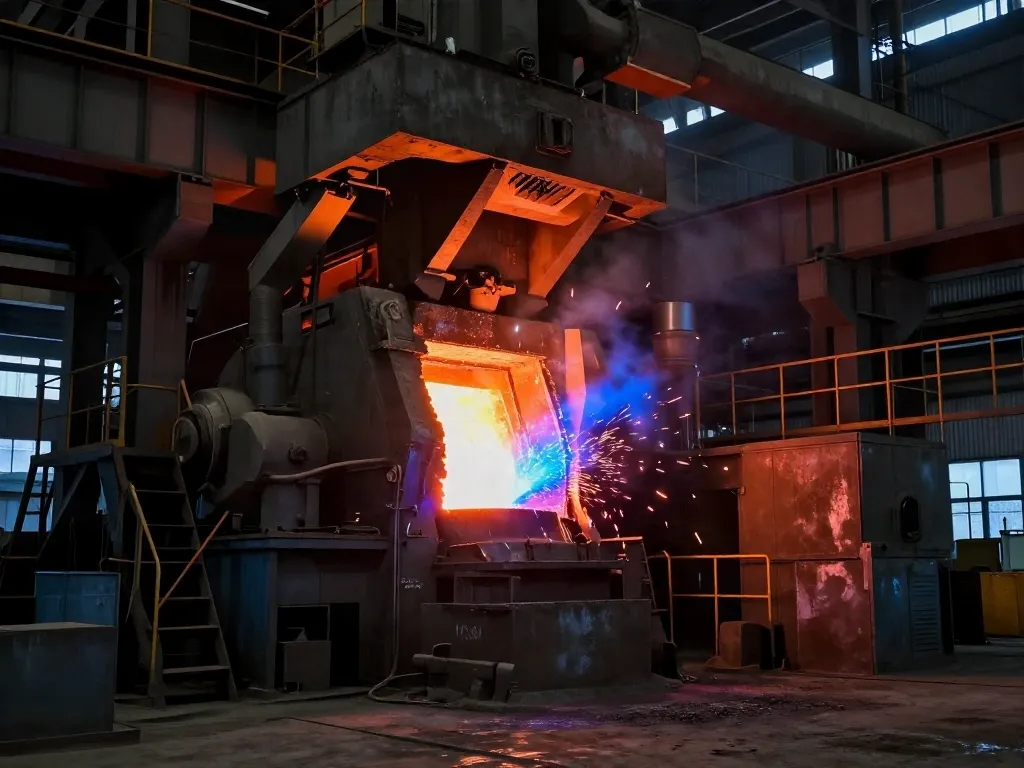
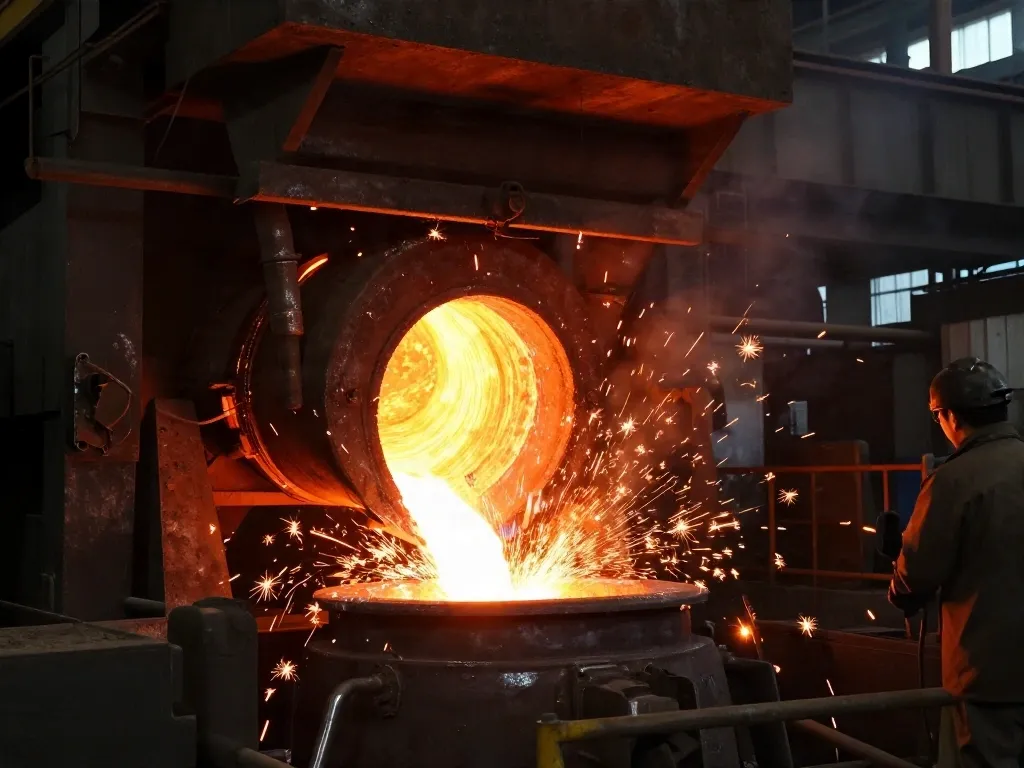
Electric Arc Furnaces (EAFs) are a type of furnace used in steelmaking that generates heat through an electric arc. The primary purpose of an EAF is to melt scrap steel or direct reduced iron (DRI) in order to produce liquid steel that can then be cast into various shapes and forms. Unlike traditional blast furnaces that rely on coke and iron ore, EAFs are more flexible in terms of raw materials, allowing for a more sustainable approach to steel production. Their capability to utilize recycled materials positions them as a key player in the circular economy.
Historical Development of Electric Arc Furnace Technology
The concept of the electric arc furnace dates back to the late 19th century, with the first commercial EAF being developed by American engineer William A. Smith in 1907. Initially, EAFs were used for specialty steels, but advancements in technology and a growing demand for steel during the 20th century propelled their adoption in mainstream steel production. By the 1960s, EAF technology had undergone significant improvements, including the introduction of continuous charging and improved electrode designs, which enhanced melting efficiency. Today, EAFs account for approximately 70% of the steel produced in the United States and around 30% globally, illustrating their vital role in modern steelmaking.
Current Applications in Steel Production
Currently, EAFs are predominantly used for recycling scrap steel, which constitutes about 90% of the raw material processed in these furnaces. They are capable of producing a wide variety of steel grades, including carbon steel, stainless steel, and alloy steel, making them highly versatile. EAFs are also employed in producing specialty steels, such as tool steels and high-strength low-alloy steels, which are essential for various applications, from construction to automotive manufacturing. The flexibility of EAFs allows steel mills to respond to market demands swiftly, making them an indispensable component of the steel industry.
Principle of Operation
Basic Components of an Electric Arc Furnace
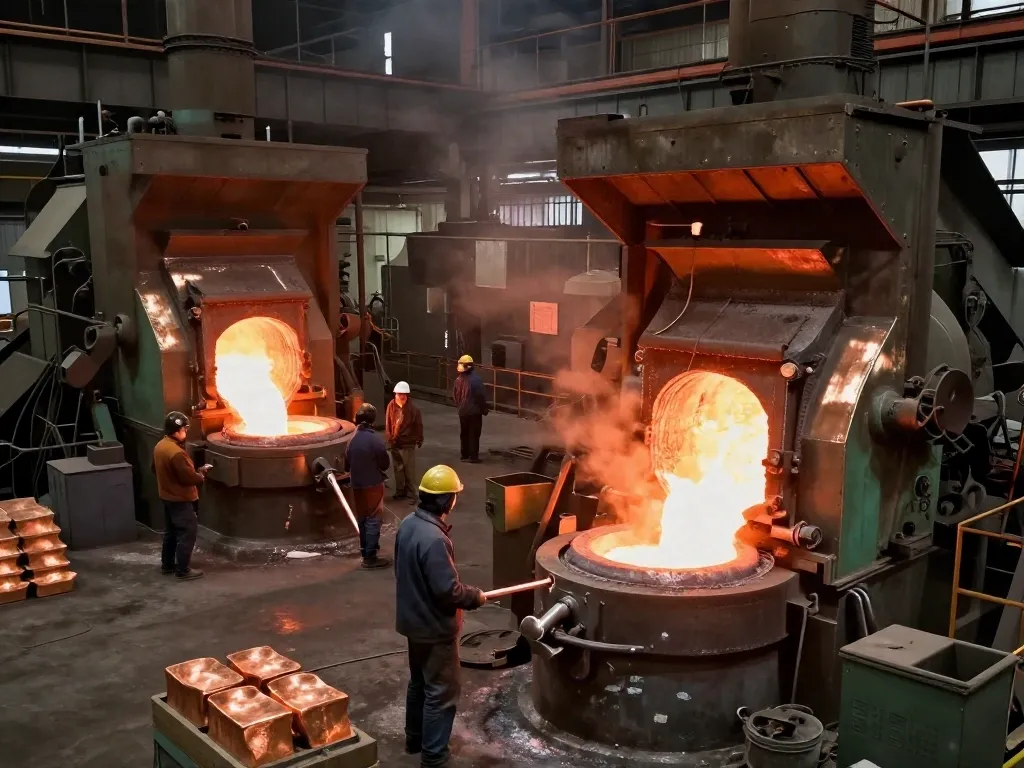
An electric arc furnace consists of several key components that work in unison to facilitate the melting of steel. These include:
- Furnace Shell: The outer structure that houses all other components and withstands high temperatures.
- Electrodes: Typically made of graphite, these are inserted into the furnace and are responsible for creating the electric arc. Standard EAFs use three electrodes, while some advanced models may utilize four.
- Refractory Lining: A layer of heat-resistant material lining the interior of the furnace to protect it from molten metal and high temperatures.
- Tapping Hole: Located at the bottom of the furnace, this is where the molten steel is poured out once the melting process is complete.
- Charging System: A mechanism used to introduce scrap metal and other materials into the furnace.
The Electric Arc Process Explained
The operation of an EAF begins with the charging of raw materials into the furnace. Once the materials are in place, an electric current is passed through the electrodes, generating an electric arc between them. This arc produces temperatures exceeding 3,000°C (5,432°F), which is sufficient to melt steel. The energy generated by the arc heats the scrap materials, causing them to liquefy. The melting process typically occurs in several stages, including preheating, melting, and refining, each of which is carefully monitored to ensure optimal results.
After melting, the molten steel is often subjected to additional refining processes to adjust its composition and remove impurities, allowing for the production of high-quality steel tailored to specific applications.
Energy Efficiency and Environmental Impact
One of the significant advantages of electric arc furnaces is their energy efficiency. EAFs consume approximately 0.4 to 0.6 MWh of electricity per ton of steel produced, which is significantly lower than the energy requirements of traditional blast furnaces. Moreover, the use of recycled scrap reduces the overall carbon footprint of steel production. According to studies, EAFs can reduce greenhouse gas emissions by 30-50% compared to conventional steelmaking processes. This environmental benefit, combined with the economic advantages of using recycled materials, makes EAFs a more sustainable choice for steel production.
Charging and Melting Process
Materials Used in Charging the Furnace
The primary materials charged into an electric arc furnace include scrap steel, direct reduced iron (DRI), and occasionally pig iron. Scrap steel is the most commonly used material, and it can come from various sources, including old vehicles, appliances, and construction debris. The quality and composition of the scrap can significantly influence the properties of the final steel product. For instance, to produce high-quality steel, steel mills often use clean, low-contaminant scrap. DRI is another source of iron that can be used in EAFs, typically produced from iron ore through a reduction process that eliminates oxygen. The use of DRI in combination with scrap can enhance the quality and yield of the steel produced in the furnace.
Melting Techniques and Temperature Control
The melting process in an EAF is typically achieved through two main techniques: the batch process and the continuous process. In a batch process, a predetermined amount of scrap and DRI is charged into the furnace, and the melting is conducted in a single cycle. In contrast, continuous processes involve a steady feed of materials into the furnace, allowing for ongoing production and greater efficiency.
Temperature control during the melting process is critical. Modern EAFs are equipped with advanced monitoring systems that utilize infrared cameras and temperature probes to ensure that the furnace operates at optimal temperatures. The ideal melting temperature for steel is around 1,600°C (2,912°F). However, adjustments may be made based on the specific composition of the charge and the desired properties of the final product.
Role of Fluxes in the Melting Process
Fluxes are materials added to the charge to assist in the melting process and improve the quality of the steel. Common fluxes include lime, dolomite, and silica, which help to remove impurities such as sulfur and phosphorus from the molten metal. The addition of fluxes not only facilitates the removal of unwanted elements but also helps to form a slag layer on the surface of the molten steel. This slag acts as a protective barrier, minimizing oxidation and ensuring a cleaner final product. The careful selection and dosage of fluxes are essential for achieving the desired chemical composition and properties of the steel.
Control Systems and Automation
Advanced Control Technologies in EAFs
The operation of electric arc furnaces has greatly benefited from advancements in control technologies. Modern EAFs are equipped with sophisticated control systems that utilize algorithms and software to optimize the melting process. These systems can adjust parameters such as electrode position, power input, and cooling rates in real time, ensuring that the furnace operates efficiently and consistently. For instance, systems like the Furnace Management System (FMS) provide operators with data-driven insights, allowing for quicker decision-making and enhanced productivity.
Monitoring and Data Collection for Optimization
Data collection is a crucial component of modern EAF operations. Sensors and monitoring equipment installed throughout the furnace collect data on temperature, power consumption, and material flow rates. This data is analyzed to identify trends and inefficiencies, providing operators with the information needed to make informed adjustments. By employing techniques such as predictive maintenance, steel mills can reduce downtime and prolong the life of their equipment, leading to significant cost savings.
Safety Measures and Emergency Protocols
Safety is paramount in the operation of electric arc furnaces. Given the extreme temperatures and high voltage involved, comprehensive safety measures are essential. EAFs are equipped with various safety features, including automatic shut-off systems, emergency cooling systems, and protective barriers to safeguard operators from exposure to hazards. Regular training and drills are conducted to ensure that personnel are familiar with emergency protocols, such as responding to electrical failures or molten metal spills. Additionally, many steel mills employ real-time monitoring systems that can detect hazardous conditions and automatically alert operators, further enhancing workplace safety.
Future Trends in Electric Arc Furnaces
Innovations in Furnace Design and Materials
The future of electric arc furnaces is poised for exciting innovations. Researchers and engineers are continually exploring new designs that improve efficiency, reduce energy consumption, and enhance the melting process. One such innovation is the development of high-efficiency EAFs that incorporate advanced materials, such as high-temperature resistant alloys, which can withstand the harsh conditions inside the furnace. These materials not only improve the durability of the furnace but also allow for higher operating temperatures, enabling quicker melting times and improved quality of the steel produced.
Integration with Renewable Energy Sources
As the steel industry strives to reduce its carbon footprint, there is a growing trend toward integrating electric arc furnaces with renewable energy sources. Solar and wind energy can be harnessed to supply the electricity needed for EAF operations, significantly lowering greenhouse gas emissions associated with steel production. Some innovative steel mills are already experimenting with hybrid systems that combine traditional electricity sources with renewable options, demonstrating a commitment to sustainability and environmental stewardship.
Impact of Industry 4.0 on Electric Arc Furnace Operations
The advent of Industry 4.0 has transformed the manufacturing landscape, and electric arc furnaces are no exception. The integration of the Internet of Things (IoT), artificial intelligence (AI), and big data analytics into EAF operations has led to unprecedented levels of automation and efficiency. Smart EAFs can optimize the melting process by analyzing real-time data, predicting maintenance needs, and even automating material charging. This level of sophistication not only enhances productivity but also allows for greater customization of steel products, catering to the diverse needs of modern industries.
Comments
No comments yet.
Leave a comment